Loading Curie Briefs...
Getting the latest healthcare news for you
Getting the latest healthcare news for you

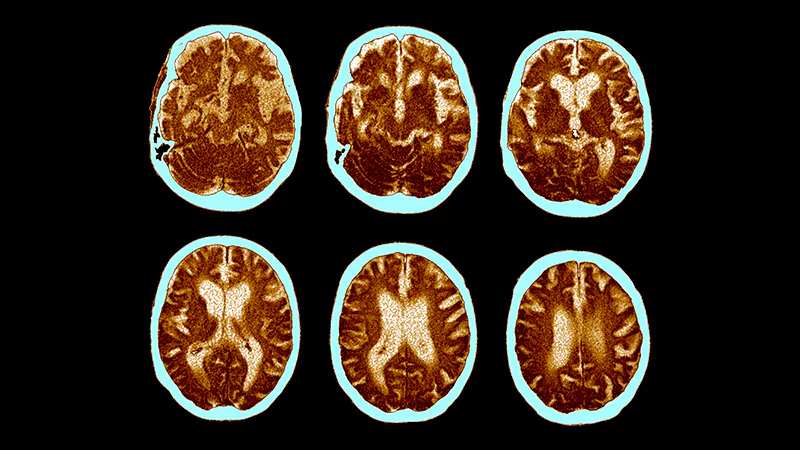
Women who hit menopause around age 47 — five years earlier than average — may face accelerated brain aging and cognitive decline, a new JAMA Network Open study found. Longitudinal MRI data showed faster accumulation of white matter damage in the brain, with links to earlier Alzheimer's diagnosis. Experts stress that modifiable risk factors like blood pressure and lifestyle habits remain key targets during midlife.
Women who experience menopause around age 47 — roughly five years earlier than the typical age of 52 — may face faster cognitive decline, accelerated brain aging, and an earlier onset of Alzheimer's disease, according to a new study published in JAMA Network Open. Researchers followed 2,603 older women for up to 18 years, using longitudinal MRI scans, annual cognitive testing, and brain autopsies to track the long-term effects of menopause timing on brain health.
The study found that for every year earlier menopause occurred, there was a small but statistically significant increase in the rate of global cognitive decline and episodic memory loss. Women who went through menopause at 47 accumulated about 15% more white matter hyperintensity (WMH) volume over a decade compared to those who reached menopause at 52 — a marker of small vessel disease and brain injury. Hormone therapy did not significantly alter these brain-volume trajectories.
Key Takeaways:
Why it matters: Early menopause may serve as a critical window for clinicians to intervene on modifiable risk factors — like hypertension, diabetes, smoking, and diet — that could help protect long-term brain health in women.