Loading Curie Briefs...
Getting the latest healthcare news for you
Getting the latest healthcare news for you

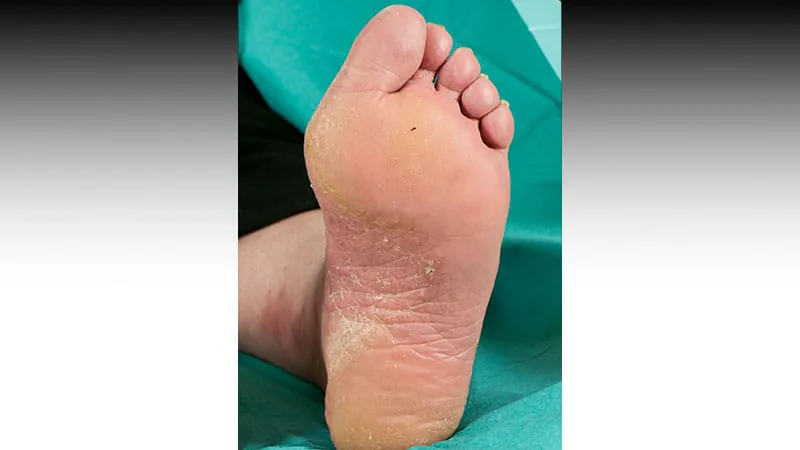
A real-world study found that prophylactic topical diclofenac gel doesn't reduce hand-foot syndrome (HFS) in cancer patients on capecitabine-based chemotherapy. Grade ≥2 HFS occurred in about 17% of diclofenac users vs. 14% under active monitoring — no meaningful difference. Female sex and capecitabine monotherapy were the strongest predictors of developing HFS.
A new prospective, real-world observational study out of Turkey is challenging the clinical translation of a promising trial result. While the randomized phase 3 D-TORCH trial suggested that prophylactic topical diclofenac could reduce hand-foot syndrome (HFS) in patients on capecitabine monotherapy, this study of 151 colorectal and gastric cancer patients found no such benefit in routine practice.
Patients were managed with either 1% topical diclofenac gel (applied twice daily to hands and feet) or active monitoring, based on their treating physician's discretion. After a median follow-up of ~19 weeks, the rates of clinically significant HFS and time to onset were virtually identical between groups.
By the Numbers:
Why it matters: Capecitabine is widely used in GI oncology, and HFS is one of its most treatment-limiting side effects. This study suggests clinicians shouldn't rely on topical diclofenac as a preventive strategy — and highlights the need to identify patients at higher risk (women, monotherapy users) for closer monitoring.