Loading Curie Briefs...
Getting the latest healthcare news for you
Getting the latest healthcare news for you

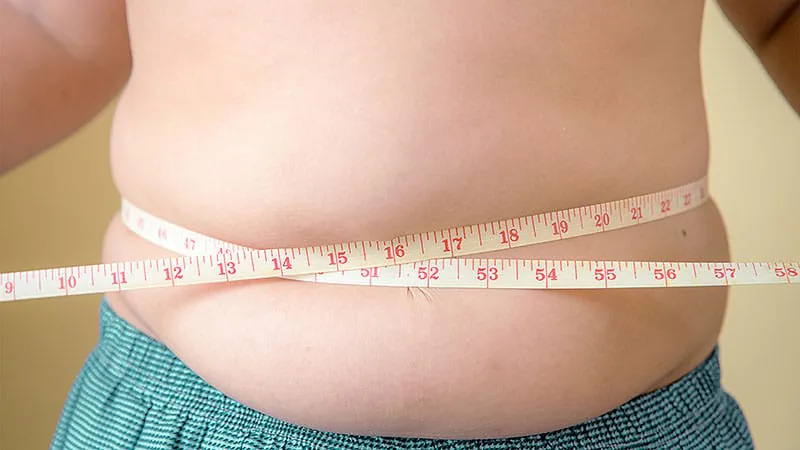
Kids with obesity early on are likely to stay that way. A large Norwegian study found that children with obesity at ages 4, 6, or 8 had a 38–51% chance of still having obesity at 13 — far higher than those who were merely overweight. The findings highlight the need for early, targeted intervention before weight trajectories become harder to reverse.
The earlier obesity sets in, the harder it is to shake. A retrospective study of over 124,000 Norwegian children found that obesity in early childhood is a powerful predictor of obesity in adolescence — and that simply being overweight carries a much lower risk of progression. The research, published in Acta Paediatrica, analyzed routine health records from children measured at ages 2, 4, 6, 8, and 13 years between 1991 and 2017.
Crucially, prior shifts between BMI categories had little bearing on later outcomes. A child who was overweight at age 6 had roughly the same risk of adolescent obesity (9–12%) whether they had been normal weight or overweight at age 4 — suggesting that current BMI status matters more than the trajectory that led there.
By the Numbers:
Why it matters: Only about 40% of children with obesity at age 13 had received additional follow-up care, despite national guidelines recommending it — pointing to a significant gap in clinical practice that early screening and intervention could help close.