Loading Curie Briefs...
Getting the latest healthcare news for you
Getting the latest healthcare news for you

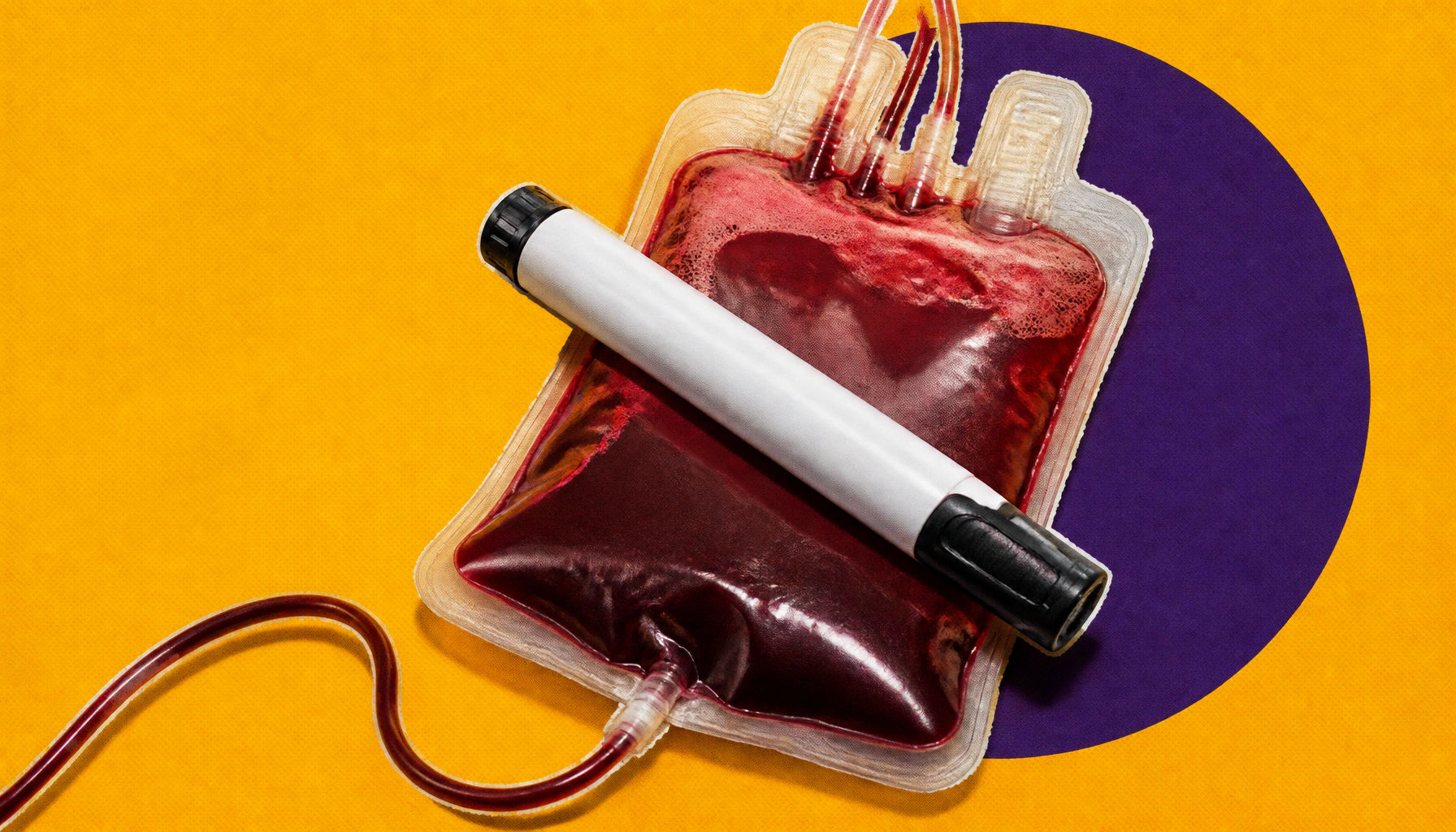
Alpha-gal syndrome (AGS) — the tick-bite-triggered red meat allergy — may be causing serious allergic reactions during blood transfusions. A large multicenter study found that blood type O patients in high-AGS U.S. regions had nearly four times the rate of allergic transfusion reactions when given B or AB blood products. Some hospitals are already changing their transfusion policies in response.
Alpha-gal syndrome (AGS), the tick-bite-triggered allergy best known for causing reactions to red meat, may also be putting patients at risk during blood transfusions — and geography matters. A large international, multicenter retrospective study published in JAMA Internal Medicine analyzed over 558,000 platelet and plasma transfusions and found that blood type O patients in high-AGS U.S. regions were nearly four times more likely to have allergic transfusion reactions when they received B or AB blood products instead of O units. No such signal was seen in low-prevalence U.S. areas or at non-U.S. sites.
The suspected mechanism: pre-formed alpha-gal IgE antibodies (from prior tick exposure) cross-reacting with the structurally similar blood group B antigen in transfused products — a phenomenon researchers are calling transfusion-related alpha-gal syndrome (TRAGS). Some hospitals in high-AGS regions, including Dartmouth, have already stopped issuing B or AB platelets to O-type patients.
By the Numbers:
Why it matters: TRAGS is an emerging and underrecognized transfusion complication. Clinicians in tick-heavy regions should be aware of this risk, report severe allergic reactions to their blood bank, and flag patients with known AGS before transfusion to avoid B antigen-containing units.