Loading Curie Briefs...
Getting the latest healthcare news for you
Getting the latest healthcare news for you

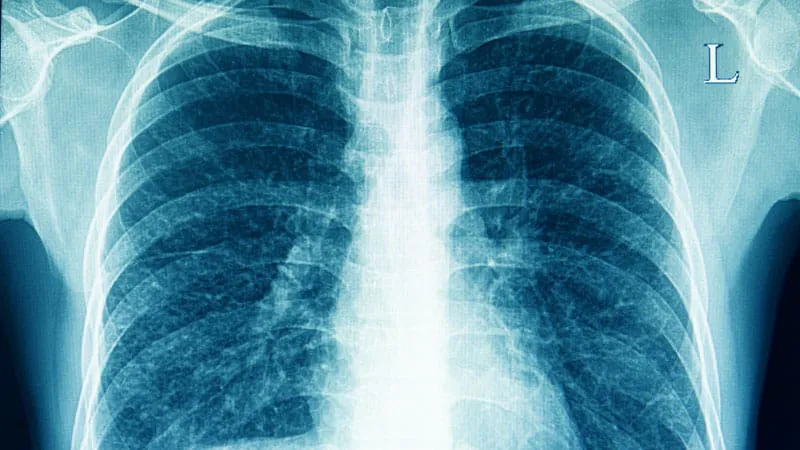
The ATS and ERS have issued their first joint update to interstitial lung disease (ILD) classifications in over a decade. The 2025 statement reorganizes ILD into two broad categories — interstitial disorders and alveolar filling disorders — merges secondary and idiopathic subtypes, and introduces new disease patterns. The goal: align diagnosis more closely with disease biology, prognosis, and treatment.
The American Thoracic Society (ATS) and European Respiratory Society (ERS) have released their first joint update to interstitial lung disease (ILD) classifications in more than a decade. The 2025 statement moves away from treating ILD subtypes as isolated diagnostic boxes defined by morphology alone, instead integrating clinical, radiologic, histologic, and etiologic data into a unified framework.
The updated classification reorganizes ILD into two broad categories: interstitial disorders (six major subtypes, including UIP/IPF, NSIP, and a newly added bronchiolocentric interstitial pneumonia) and alveolar filling disorders (organizing pneumonia, RB-ILD, and a renamed alveolar macrophage pneumonia, formerly desquamative interstitial pneumonia). Secondary and idiopathic etiologies are now considered together, reflecting how both influence patient management.
Experts note that distinguishing fibrotic from non-fibrotic patterns is critical — IPF requires antifibrotic therapy, connective tissue disease-ILD needs immunomodulation, and hypersensitivity pneumonitis demands exposure remediation.
Key Takeaways:
Why it matters: This reclassification reshapes how clinicians diagnose and treat ILD, emphasizing that treatment should follow integrated diagnosis and disease behavior — not just CT patterns.