Loading Curie Briefs...
Getting the latest healthcare news for you
Getting the latest healthcare news for you


The FDA had a busy August in neuropsychiatric medicine. Oveporexton (Orzeyful) became the first approved drug to directly restore orexin signaling in adults with narcolepsy type 1, while two new blood tests — Elecsys Phospho-Tau (217P) and PrecivityAD2 — were cleared to help diagnose Alzheimer's disease. The FDA also raised no objection to a phase 1 trial for PT00114, an investigational drug for generalized anxiety disorder.
August was a landmark month for FDA neuropsychiatric approvals. Oveporexton (Orzeyful, Takeda) became the first-ever drug approved to directly restore orexin signaling — the core biological deficit in narcolepsy type 1. In two clinical trials, the twice-daily tablet improved daytime sleepiness, cataplexy, sleep paralysis, hallucinations, and disrupted nighttime sleep. It had previously received both FDA Breakthrough Therapy designation and Priority Review.
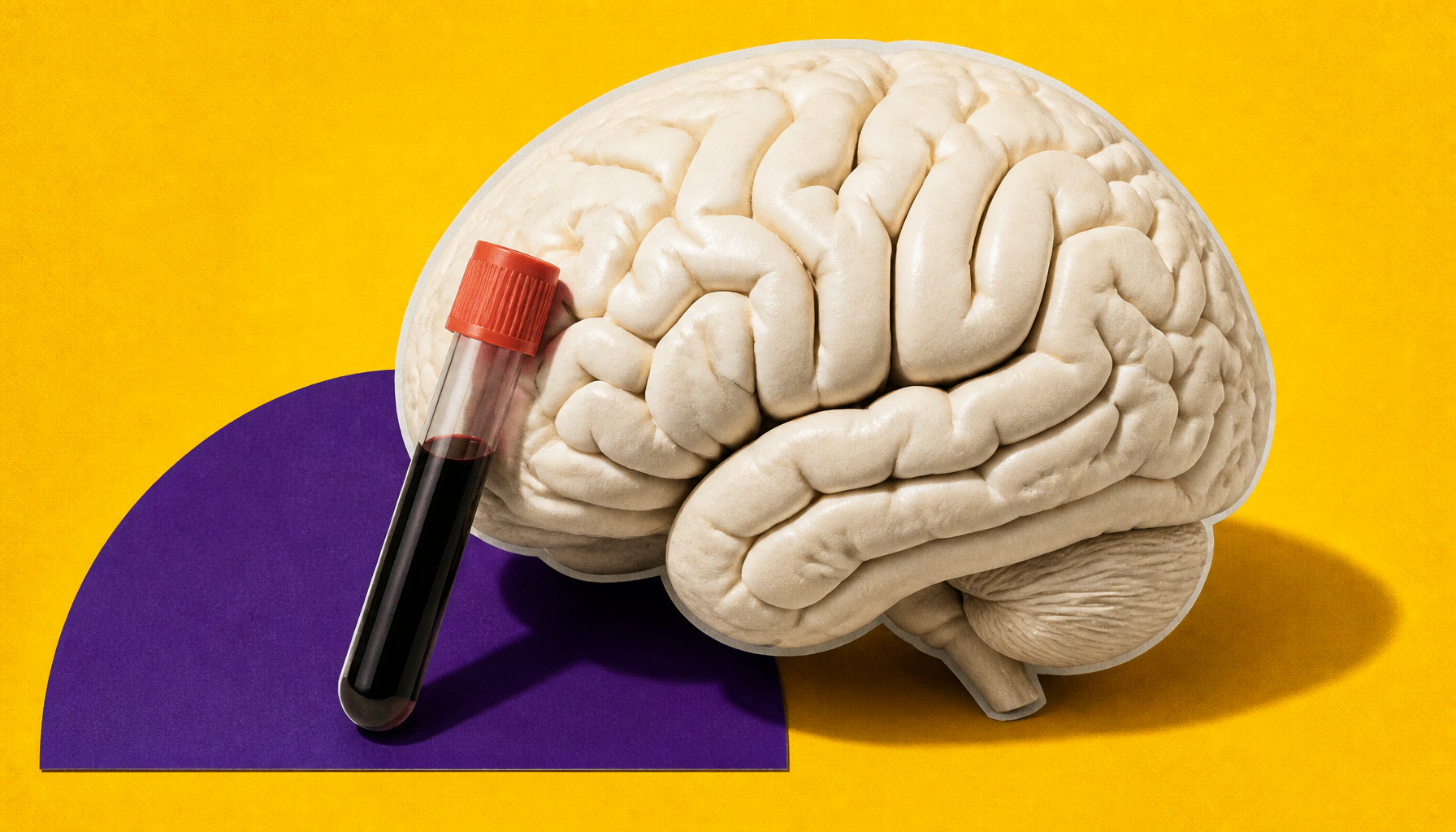
On the diagnostics front, two Alzheimer's blood tests received FDA clearance. The Elecsys Phospho-Tau (217P) Plasma test (Roche/Eli Lilly) is the first cleared for both rule-in and rule-out amyloid pathology assessment using the same cutoffs across primary and specialty care settings, for adults 55 and older with cognitive decline. PrecivityAD2 (C2N Diagnostics) stands out as the only test currently available for adults as young as 40 with signs of cognitive impairment. Meanwhile, the FDA raised no objection to a phase 1 trial for PT00114, an investigational neuropeptide for generalized anxiety disorder.
Key Takeaways:
Why it matters: These approvals collectively shift neuropsychiatric care toward more targeted, biology-driven therapies and earlier, more accessible diagnostics — potentially transforming how clinicians screen for and treat conditions like narcolepsy and Alzheimer's disease.