Loading Curie Briefs...
Getting the latest healthcare news for you
Getting the latest healthcare news for you

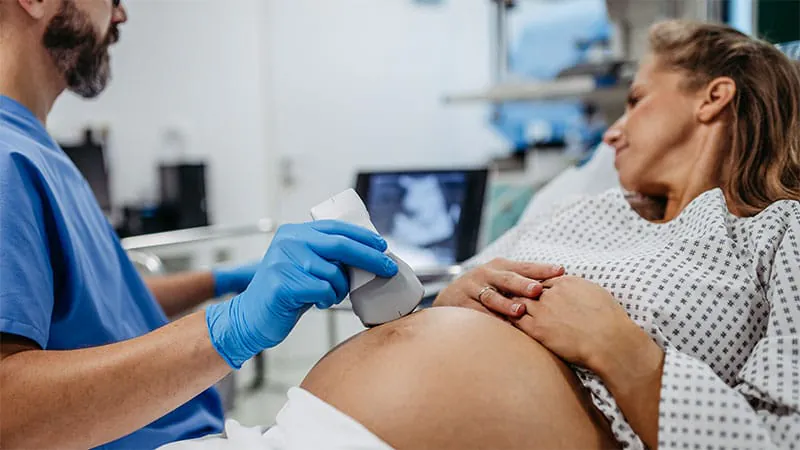
Ontario's ultrasound crisis is hitting expectant mothers hard. A 20% sonographer vacancy rate and rampant burnout are pushing average wait times to roughly 4 weeks, forcing many pregnant patients — especially in rural areas — to travel long distances for routine scans. Ontario is fast-tracking foreign-trained sonographers and partnering with community centers to ease the strain, but experts warn the system remains under serious pressure.
Ontario is grappling with a serious sonographer shortage that's leaving pregnant women waiting nearly a month for ultrasounds — and sometimes traveling long distances to get one. With a 20% vacancy rate in 2024 and more than half of practicing sonographers having considered quitting in the past two years, the pipeline of imaging professionals is drying up fast. Burnout, physical strain from high-volume repetitive work, inadequate mental health support, and poor reimbursement structures are all fueling the exodus.
The ripple effects are clinically significant. Most facilities rely on internal triage systems to prioritize urgent cases, but experts warn that patients can still get missed in an overstretched system. Rural patients face the steepest barriers, often traveling long distances for scans that urban patients access more readily. Notably, ultrasound is not included in Ontario Health's centralized wait-time tracking repository — making the problem harder to monitor and address at scale.
By the Numbers:
Why it matters: Delayed obstetric ultrasounds aren't just inconvenient — they can mean missed diagnoses, delayed interventions, and worse outcomes for mothers and babies. Without systemic fixes to recruitment, retention, and reimbursement, the shortage is likely to deepen.