Loading Curie Briefs...
Getting the latest healthcare news for you
Getting the latest healthcare news for you

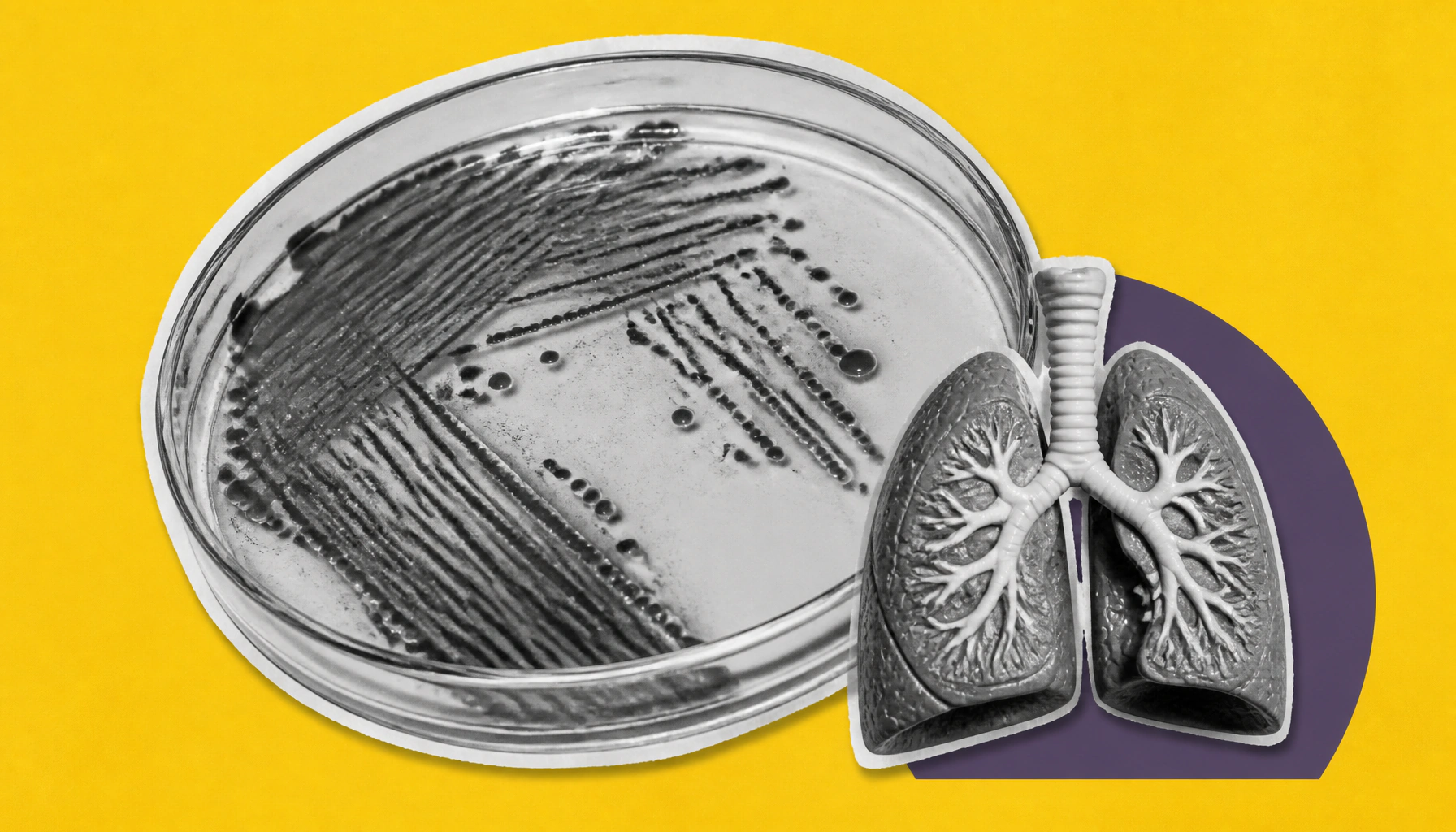
A gut-derived bacterial peptide called corisin has been found to directly cause pulmonary fibrosis by disrupting lung cells' internal quality-control systems. Researchers showed that an antibody blocking corisin significantly reduced disease severity and improved survival in mice. The findings, published in Nature Communications, open the door to an entirely new therapeutic strategy for fibrotic diseases.
Researchers at the University of Illinois Urbana-Champaign and Mie University in Japan have pinpointed a bacterial protein fragment called corisin as a direct, mechanistic driver of pulmonary fibrosis — not just a bystander. The peptide, originally identified in gut bacteria, was also found to be produced locally in the lungs by bacteria residing in the respiratory tract. Once inside lung cells, corisin accumulates in the mitochondria, disrupting protein quality control and triggering oxidative stress, premature cellular aging, and cell death — ultimately leading to scarring.
The team demonstrated that corisin extracted from patient lung fluid could kill healthy cells in culture, and that neutralizing it with a custom antibody largely prevented that damage. Mice engineered to continuously produce corisin in their lungs spontaneously developed pulmonary fibrosis — and when treated with the antibody, showed significantly reduced disease severity and improved survival.
Key Takeaways:
Why it matters: Pulmonary fibrosis has very limited treatment options and a poor prognosis. Identifying corisin as a causally supported, targetable driver of disease offers a genuinely novel therapeutic avenue — not just for the lungs, but potentially for fibrotic diseases affecting the kidneys, liver, heart, and skin as well.