Loading Curie Briefs...
Getting the latest healthcare news for you
Getting the latest healthcare news for you

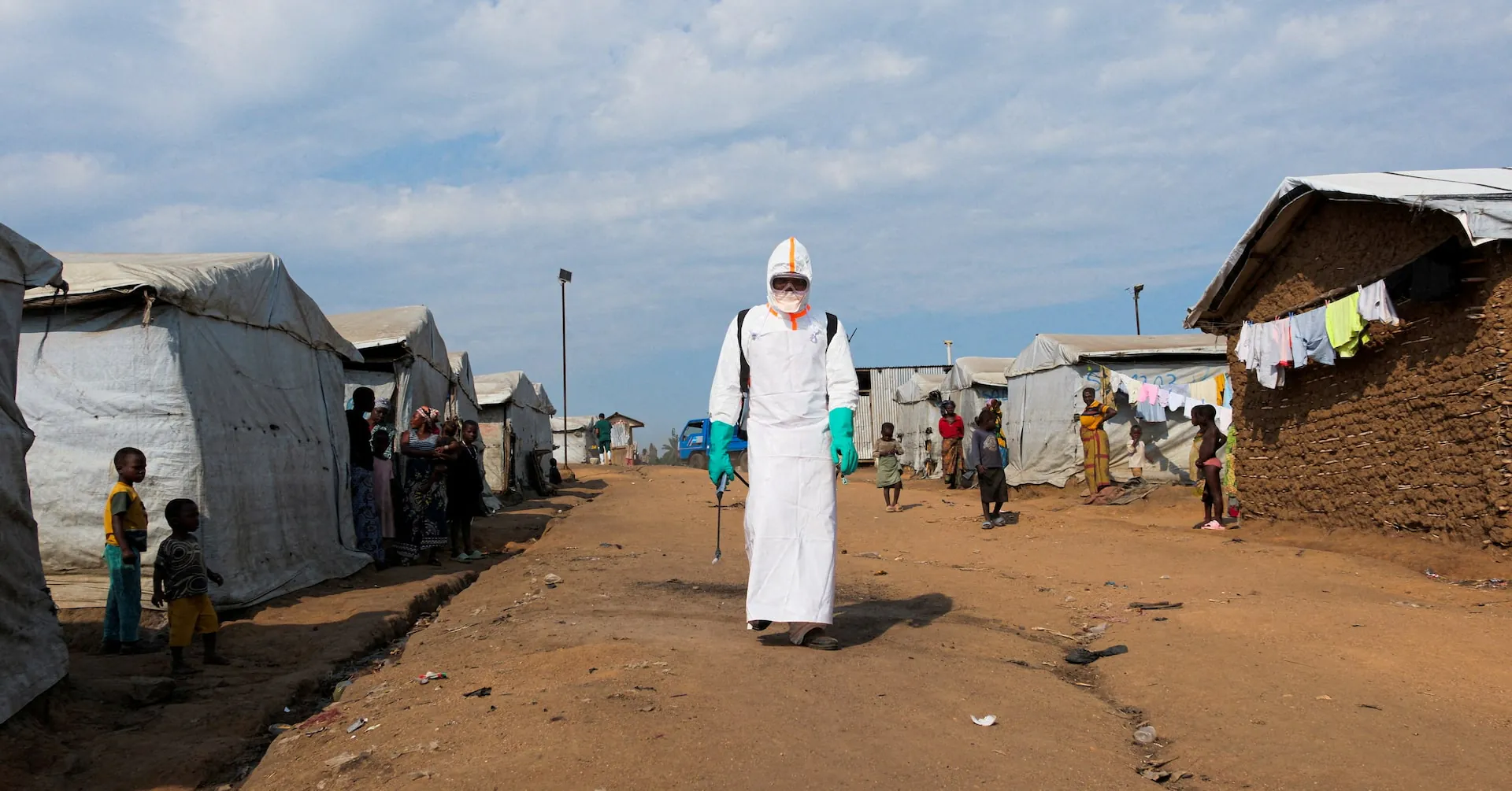
Congo's Ebola crisis just hit a grim new milestone — over 3,000 deaths and 6,186 confirmed cases, making it the deadliest outbreak in the country's history. Caused by the Bundibugyo strain, which has no approved vaccine or treatment, the epidemic has spread to six provinces. Authorities are now vaccinating health workers with Merck's Ervebo, a vaccine licensed for a different Ebola strain, hoping it offers some cross-protection.
Congo's Ebola outbreak has crossed a devastating threshold, with government data confirming more than 3,000 deaths and 6,186 confirmed cases as of September 2, 2026. Declared on May 15 in Ituri province — though experts believe it may have begun as early as January — the epidemic has since spread across six provinces in the country's northeast. It is now the deadliest Ebola outbreak in Congo's history and the second-deadliest ever recorded globally, surpassed only by the 2014–2016 West African epidemic that killed over 11,000 people.
The outbreak is caused by the Bundibugyo species of Ebola, for which there are no approved vaccines or treatments. Weak surveillance systems, community resistance, and ongoing insecurity have severely hampered containment efforts. The WHO estimates that around 60% of deaths occur outside treatment centers, reflecting how late many cases are being detected. The case fatality ratio has climbed to roughly 46%, not because the virus has grown more lethal, but because patients are being identified too late for treatment to succeed.
By the Numbers:
Why it matters: With no approved vaccine or treatment for the Bundibugyo strain, Congo is relying on a cross-species vaccine and experimental candidates still in development. Until surveillance improves and communities engage with response teams, the outbreak's trajectory remains a serious concern for both regional and global health security.