Loading Curie Briefs...
Getting the latest healthcare news for you
Getting the latest healthcare news for you

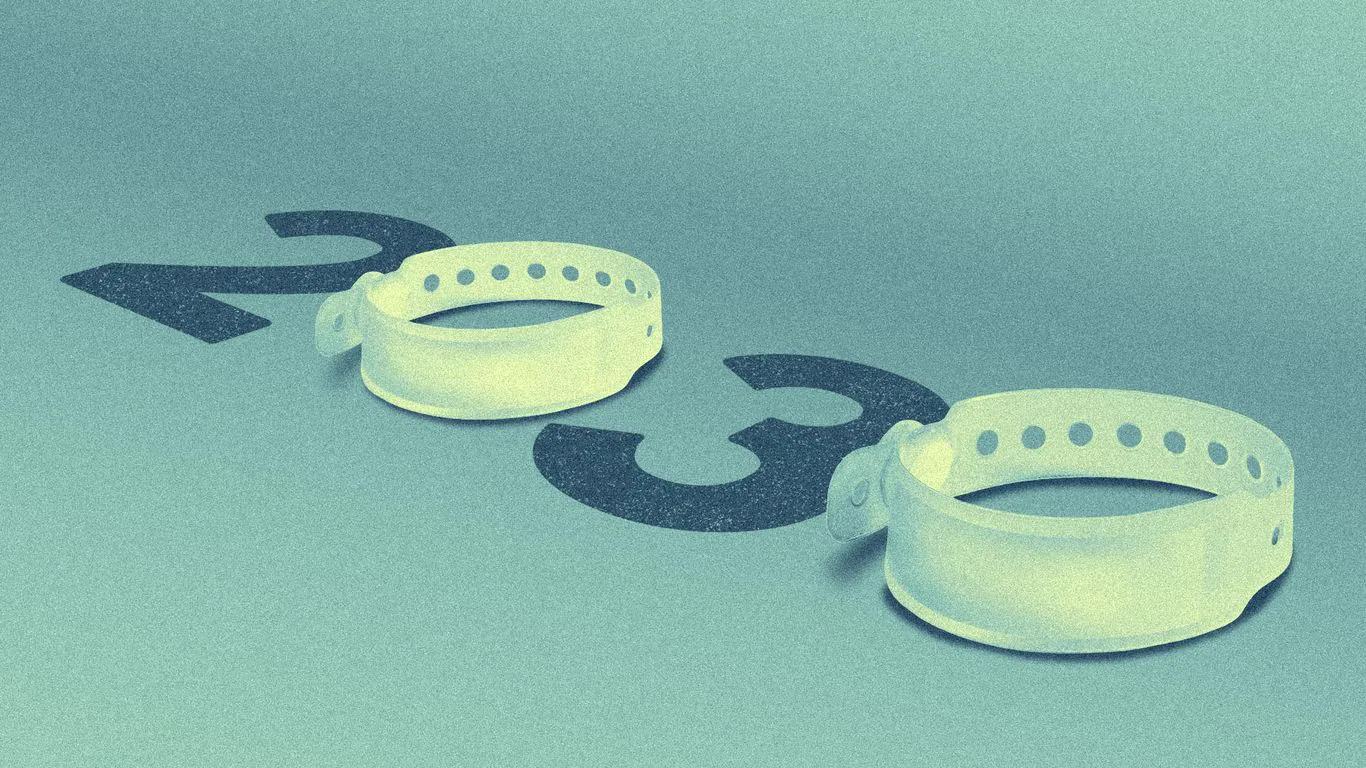
By 2030, all baby boomers will be 65 or older, triggering a surge in healthcare demand just as hospitals face shrinking reimbursements, workforce shortages, and reduced federal support. Experts warn it's a perfect storm — and AI-driven automation may be the only realistic path to closing the gap. The stakes for the entire hospital sector have never been higher.
By 2030, the youngest baby boomers will hit 65 and the oldest will be approaching 85, creating a simultaneous spike in care demand and a shrinking pool of skilled healthcare workers. A recent Fitch Ratings report warns that without major investment in AI-driven productivity, remote care, and alternative staffing models, hospitals could face workforce challenges as severe as — or worse than — what they experienced during the pandemic.
The financial picture is equally grim. Hospitals are already feeling the squeeze from Republican-led Medicaid cuts and the lapse of Biden-era ACA subsidies, with little political appetite to offer relief. Meanwhile, care continues shifting out of inpatient settings, reshaping hospital business models at the very moment senior demand is set to explode.
By the Numbers:
Why it matters: Hospitals can't simply hire their way out of this crisis. Leaders say the sector must fundamentally rethink care delivery — leaning on AI and automation to cut administrative costs and bridge the looming care gap — or risk a system-wide financial breaking point.