Loading Curie Briefs...
Getting the latest healthcare news for you
Getting the latest healthcare news for you

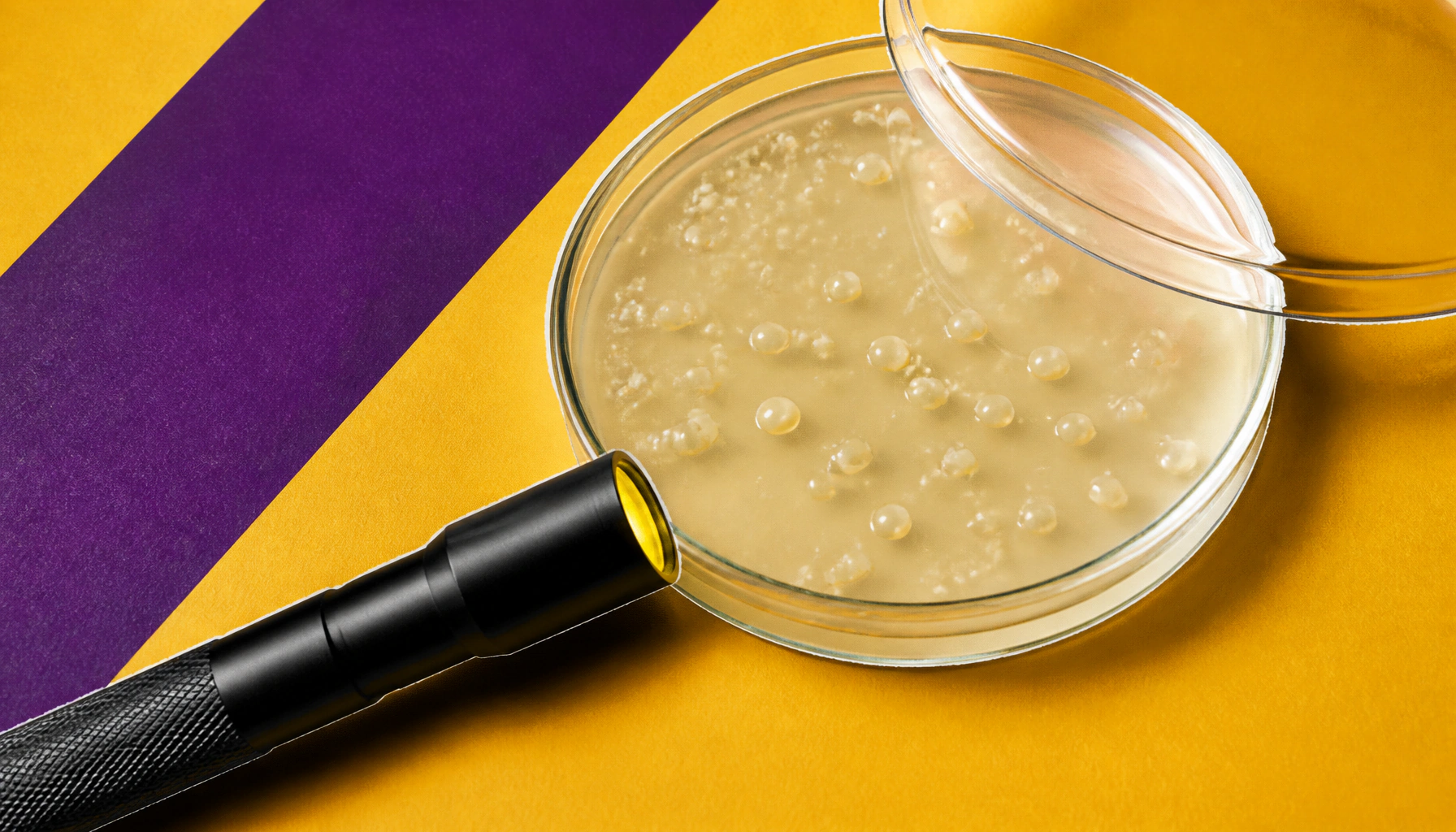
DARPA is bankrolling a bold bioengineering project to create a living cell that can synthesize DNA or RNA on demand — no chemicals, no shipping delays. Led by UC Santa Barbara's Max Wilson, the LUXCODE team is engineering yeast to build nucleic acid sequences using flashes of colored light. If it works, what currently takes months could be done in hours.
DARPA is betting big on a concept that sounds like science fiction: a living yeast cell that acts as a wireless DNA printer. The agency has committed $1.7 million to UC Santa Barbara's Max Wilson and his multi-university LUXCODE team to develop a nucleic acid compiler (NAC) — a system that can receive instructions and synthesize DNA or RNA sequences in real time, entirely within a living cell, with no chemical inputs required.
The trick? Engineering yeast to produce four light-activated polymerase enzymes, each responsive to a specific color of light. By flashing a five-color strobe sequence at the cell, researchers could build a custom DNA or RNA snippet on the spot. The yeast then becomes both the compiler and the model organism — a self-replicating, shelf-stable biological tool that could theoretically be deployed anywhere, from a military base to a space station.
Key Takeaways:
Why it matters: Bottlenecks in DNA synthesis slow down drug discovery, vaccine development, and bioengineering research. A fast, portable, living DNA printer could dramatically accelerate the pace of biomedical innovation — and reshape how science is done in the field.