Loading Curie Briefs...
Getting the latest healthcare news for you
Getting the latest healthcare news for you

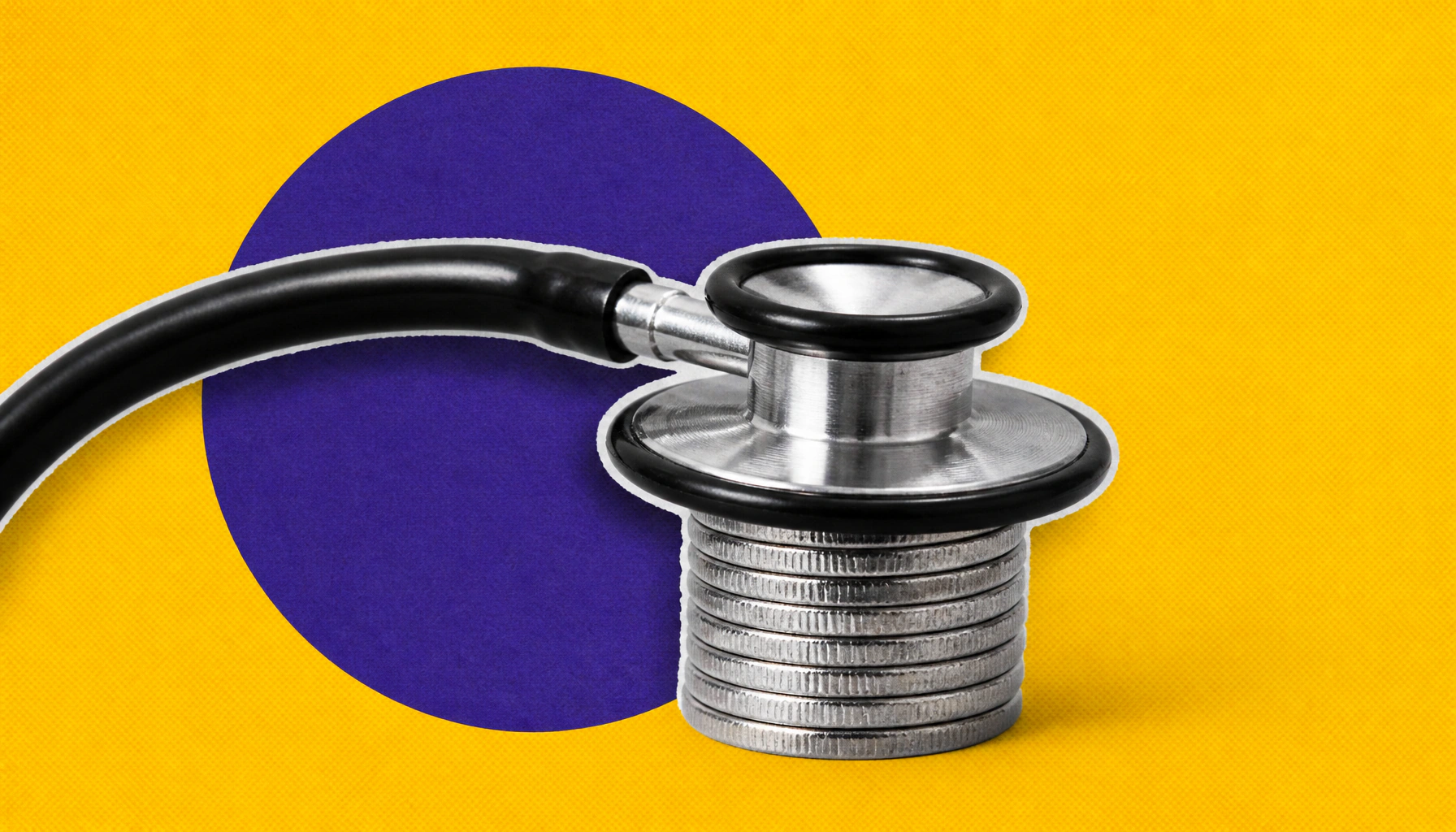
Direct primary care (DPC) — where patients pay a flat monthly fee instead of billing insurance — has grown 83% since 2018 and is reshaping how Americans access primary care. The model offers smaller patient panels, longer visits, and lower drug costs, but monthly fees and equity concerns remain real barriers. A new HSA provision under the "One Big Beautiful Bill" is adding fresh fuel to DPC's rise.
Direct primary care (DPC) is having a moment. The membership-based model — where patients pay a flat monthly fee (typically $50–$150 for adults) instead of going through insurance — grew by 83% between 2018 and 2023, with clinician participation up nearly 80% in the same period. Employers are jumping in too: 58% of all DPC memberships in 2024 were employer-sponsored, up 28% from 2022. A new provision in the "One Big Beautiful Bill" now lets eligible individuals use HSA funds tax-free to cover DPC fees, potentially accelerating adoption further.
The appeal is clear. DPC practices carry far smaller patient panels (~413 vs. ~1,700 in traditional family medicine), enabling longer visits, same-day access, and more personalized care. Drug costs can also drop dramatically — one physician noted generic antidepressants going from $12/pill to $0.04/pill. Some analyses suggest DPC may reduce emergency and specialty care use, with research pointing to potential cost reductions in patient care overall.
Key Takeaways:
Why it matters: DPC is reshaping primary care delivery in real time, but its long-term impact — on access, equity, and overall system capacity — remains an open question that policymakers and clinicians will need to watch closely.