Loading Curie Briefs...
Getting the latest healthcare news for you
Getting the latest healthcare news for you

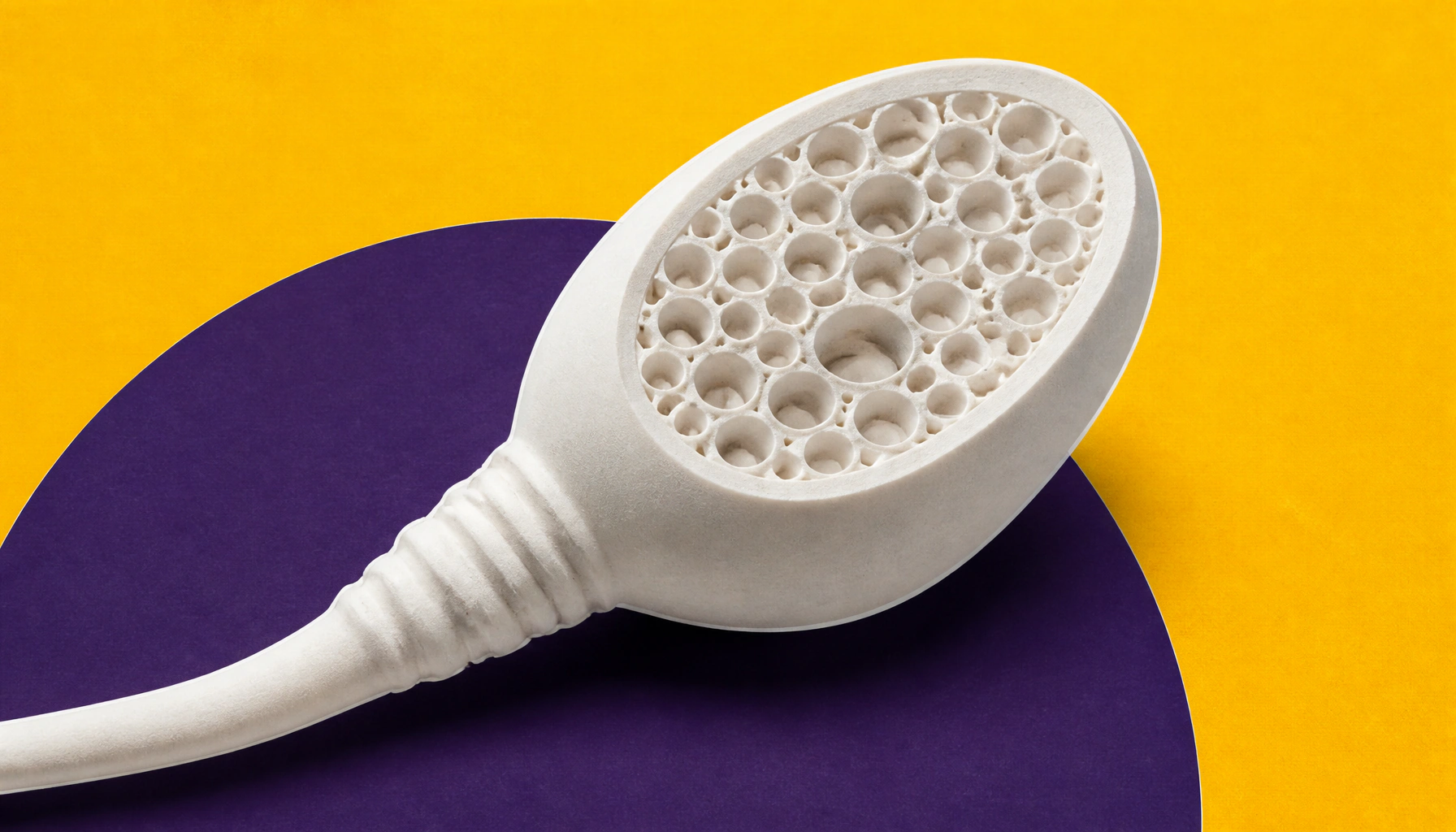
Scientists have discovered hidden protein-recycling hubs inside human sperm cells that could reshape our understanding of male fertility. Using advanced cryo-electron tomography, researchers found specialized compartments packed with proteasomes in the sperm nucleus. These structures appear during the final stages of sperm development and may even play a role in early embryonic development after fertilization.
Scientists at VIB, VUB, and the MRC Laboratory of Molecular Biology have uncovered a surprising secret inside human sperm cells: tiny DNA-free cavities packed with proteasomes — molecular machines that break down and recycle proteins. Using cryo-electron tomography, the team produced the first detailed structural map of these compartments, revealing a level of internal organization in sperm cells that was previously unknown. The findings were published in Nature Structural & Molecular Biology.
These cavities, historically spotted by microscopists and called "lacunae," were long observed but never understood. Now researchers know they serve as dedicated hubs for proteasomes with unique structural features distinct from those found elsewhere in the body — including a newly identified sperm-specific proteasome variant.
Key Takeaways:
Why it matters: This discovery gives researchers a new framework for studying sperm development and early embryogenesis — potentially paving the way for better diagnostics and treatments for male infertility.