Loading Curie Briefs...
Getting the latest healthcare news for you
Getting the latest healthcare news for you

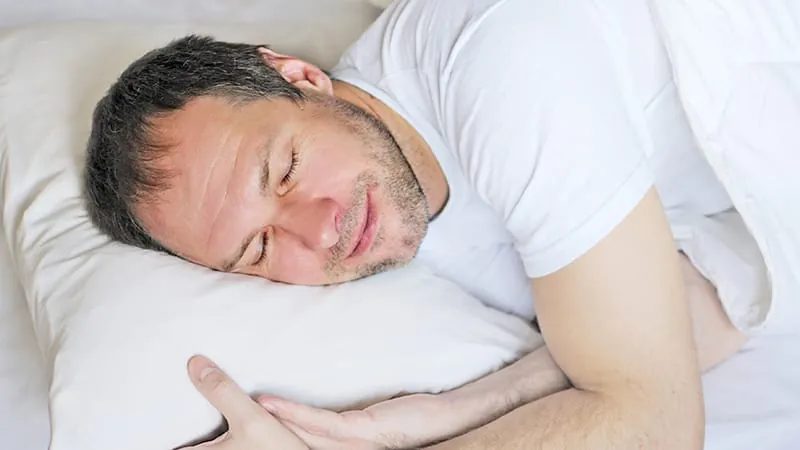
Social media's "sleepmaxxing" trend — featuring mouth taping, nasal strips, and melatonin gummies — is going viral, but the clinical evidence is thin. Some practices, like mouth taping, may actually worsen sleep apnea in certain patients. Meanwhile, classic sleep hygiene tips like a cool, dark room and a consistent bedtime still hold the strongest scientific backing.
"Sleepmaxxing" — the social media-driven trend of optimizing sleep through mouth taping, nasal strips, supplements, and elaborate bedtime routines — has exploded in popularity, fueled by fitness influencers with tens of millions of followers. But a closer look at the clinical evidence reveals a significant gap between the hype and the science.
Take mouth taping: a small 2022 study of just 20 patients with mild obstructive sleep apnea (OSA) showed some improvement in breathing metrics, but a 2025 systematic review found it can actually worsen sleep apnea in patients with nasal obstruction or unfavorable airway anatomy. Nasal strips may improve the feeling of better airflow, but meta-analyses show no consistent improvement in actual oxygen levels or apnea events. And many influencer-promoted melatonin products don't even contain the doses listed on their labels.
Key Takeaways:
Why it matters: Millions of people are self-experimenting with sleep hacks based on influencer advice rather than clinical guidance. For HCPs, this is a growing patient education opportunity — and a reminder to screen for underlying sleep disorders before any of these interventions are tried.