Loading Curie Briefs...
Getting the latest healthcare news for you
Getting the latest healthcare news for you

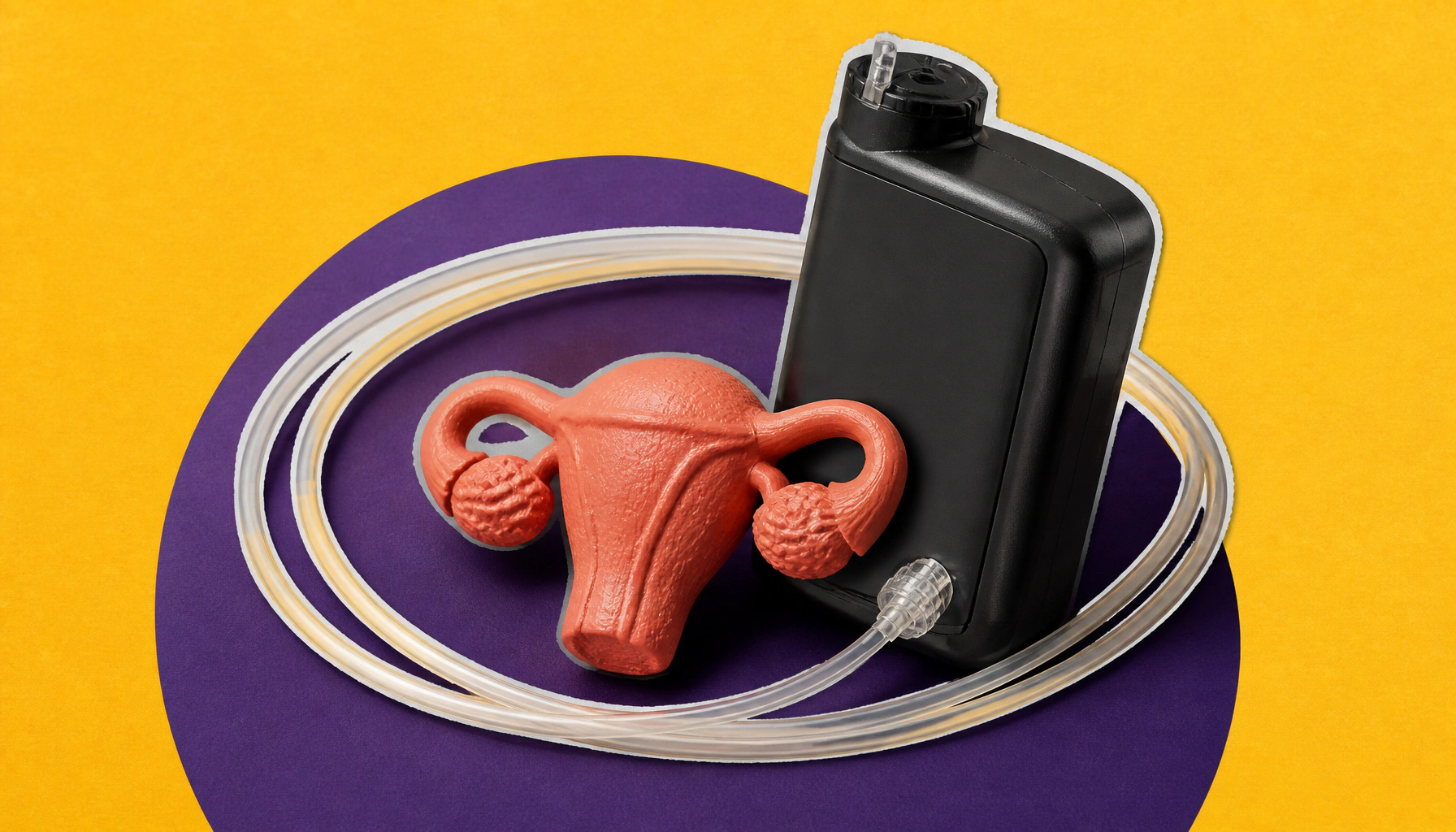
For women with type 1 diabetes, blood sugar control and insulin sensitivity don't stay constant — they shift with the menstrual cycle. A new study found that time in range drops and insulin needs rise during the luteal phase. Researchers say automated insulin delivery systems need to get smarter about these hormonal swings.
Managing type 1 diabetes is already a full-time job, but a new study published in Diabetes Care adds another layer of complexity: the menstrual cycle. Researchers tracked 77 women using automated insulin delivery systems and found that glucose control and insulin sensitivity fluctuate meaningfully across cycle phases — with the luteal phase being the toughest stretch.
During the early luteal phase, time in range dropped by 2.8 percentage points compared to the early follicular phase, while time in tight range fell by a steeper 7.1 points. Insulin sensitivity dipped below average during the luteal phase, hitting its lowest point at the midluteal phase — meaning the body needs more insulin to achieve the same effect.
By the Numbers:
Why it matters: These findings underscore that one-size-fits-all diabetes management doesn't cut it for menstruating women. Clinicians should proactively discuss cycle-related glucose changes with patients, and device manufacturers need to build smarter, more adaptive algorithms that account for hormonal shifts.