Loading Curie Briefs...
Getting the latest healthcare news for you
Getting the latest healthcare news for you

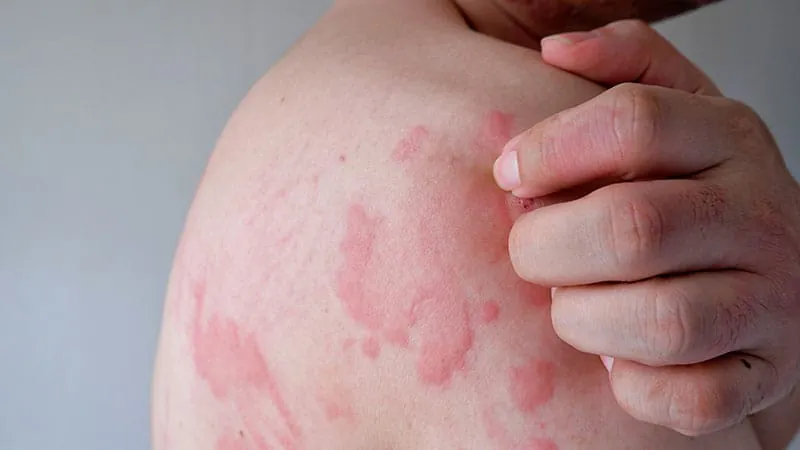
The standard cold stimulation test (SCST) used to diagnose cold urticaria (ColdU) misses about a third of patients who have real, convincing symptoms. A multinational study of 364 patients found that SCST-negative patients tend to be younger with a stronger family history, while SCST-positive patients face more severe symptoms like breathing difficulties and cardiovascular issues. Experts say a negative test result should never rule out the condition.
The go-to diagnostic test for cold urticaria (ColdU) — the standard cold stimulation test (SCST) — is leaving a significant number of patients undiagnosed. A new multinational observational study found that roughly 1 in 3 patients with convincing cold-induced symptoms tested negative on the SCST, revealing a clinically distinct subgroup that has long been poorly understood.
The study analyzed 364 ColdU patients across 11 urticaria centers in nine countries. SCST-negative patients tended to be younger, had earlier disease onset, were more likely to have a family history of ColdU, and responded better to standard-dose antihistamines. Meanwhile, SCST-positive patients carried a heavier clinical burden — with higher rates of angioedema, breathing difficulties, and cardiovascular symptoms — and were more frequently prescribed adrenaline autoinjectors.
Key Takeaways:
Why it matters: Misdiagnosis or delayed diagnosis of ColdU can leave patients vulnerable to potentially life-threatening reactions. This study highlights a critical gap in current diagnostic practice and calls for a more comprehensive, symptom-driven approach beyond a single negative test result.