Loading Curie Briefs...
Getting the latest healthcare news for you
Getting the latest healthcare news for you

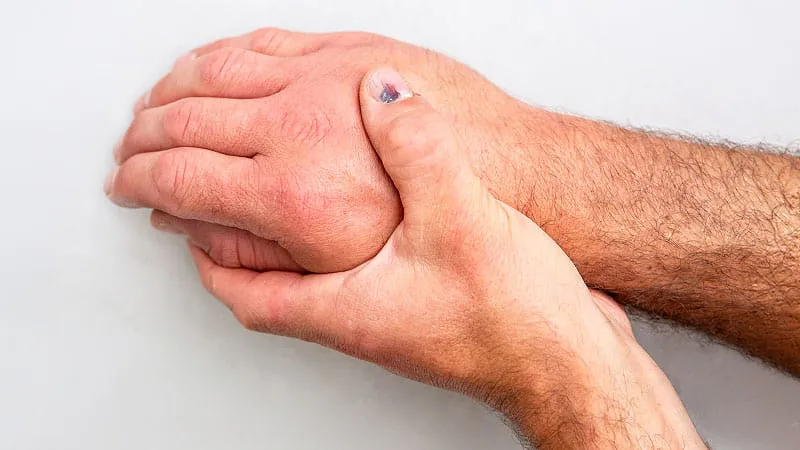
A new study finds that complete depletion of memory B cells and plasmablasts within two weeks of rituximab infusion strongly predicts clinical response in patients with idiopathic inflammatory myopathies (IIM). The key? Using highly sensitive flow cytometry (HSFC) — standard testing missed the signal entirely. The findings could pave the way for more personalized treatment strategies in this challenging disease group.
A UK-based retrospective study published in The Lancet Rheumatology reveals that rapid, complete depletion of specific B-cell subsets — memory B cells and plasmablasts — within two weeks of rituximab infusion is a strong predictor of clinical response in patients with idiopathic inflammatory myopathies (IIM). Crucially, this signal was only detectable using highly sensitive flow cytometry (HSFC), not conventional flow cytometry.
The study followed 44 adults with IIM subtypes including dermatomyositis, antisynthetase syndrome, immune-mediated necrotizing myositis, and polymyositis. About 70% of patients responded to treatment, and among responders, 94% achieved complete plasmablast depletion at two weeks — compared to just 31% of non-responders.
Key Takeaways:
Why it matters: For rheumatologists managing IIM, these findings suggest that early, precise B-cell monitoring with HSFC could help identify patients likely to respond — or relapse — enabling more targeted and timely treatment escalation.