Loading Curie Briefs...
Getting the latest healthcare news for you
Getting the latest healthcare news for you

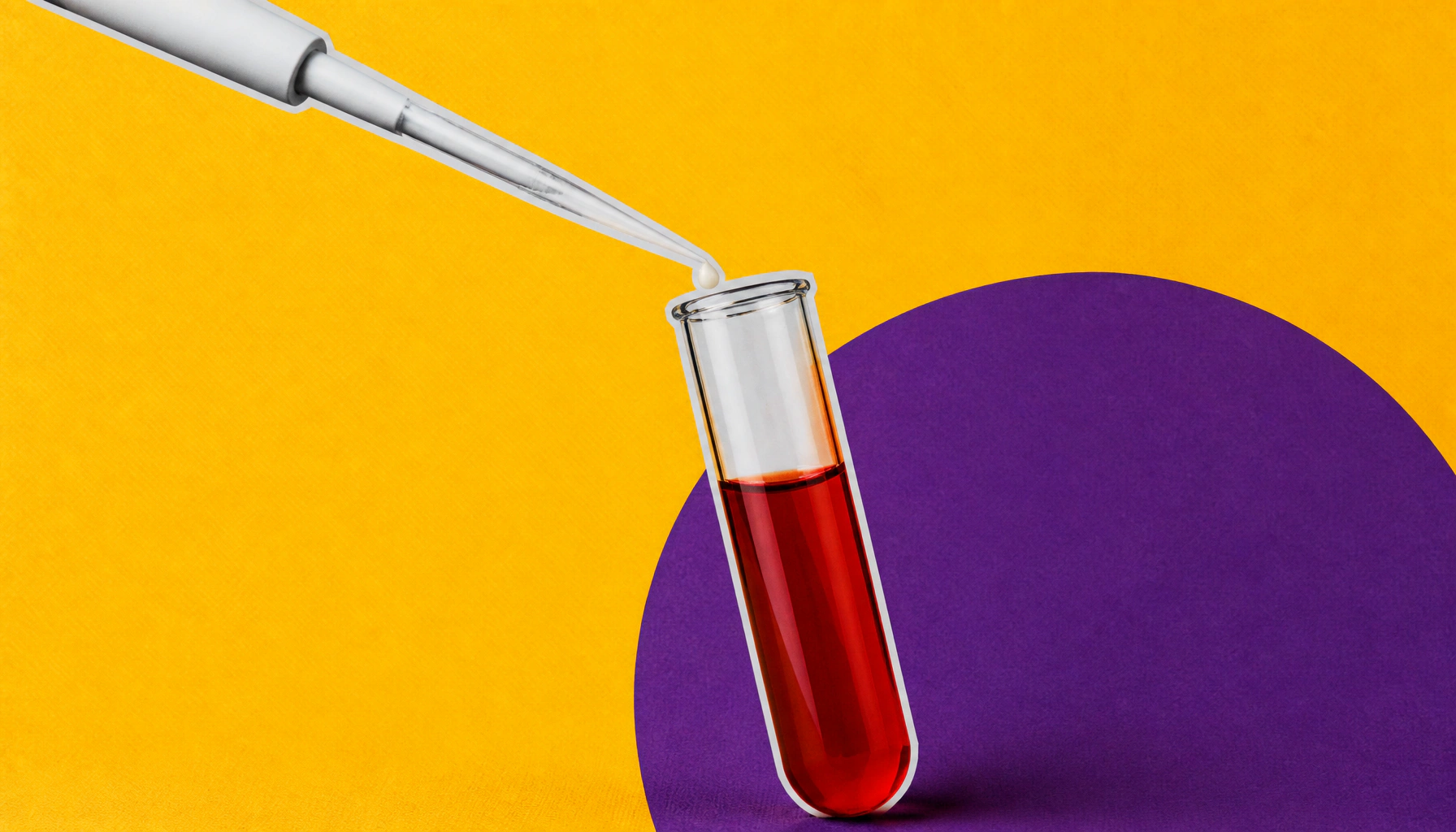
Testing mRNA drugs in human blood before animal trials could be a game-changer. Researchers at SINTEF developed an ex vivo method using fresh donor blood to evaluate how mRNA-lipid nanoparticles interact with immune cells — helping identify promising drug candidates earlier, reduce costly failures, and even predict dangerous allergic reactions before human trials begin.
mRNA-based drugs hold enormous promise — from cancer immunotherapy to rare genetic diseases — but roughly 90% of drug candidates fail in clinical trials, often because animal models don't accurately predict human responses. Researchers at SINTEF think they've found a smarter early-stage screening tool: human whole blood.
The team tested different mRNA-lipid nanoparticle (LNP) formulations in fresh donor blood ex vivo, measuring how immune cells took up the particles and what immune signals were triggered. The results suggest this approach can reliably distinguish high-performing candidates from duds — and flag potentially dangerous allergic reactions — before a single human volunteer is enrolled.
Key Takeaways:
Why it matters: Better preclinical screening means fewer late-stage failures, lower development costs, and — critically — fewer patients harmed by unpredicted side effects. For therapies like CAR-T, which currently carry substantial costs, this could be a meaningful step toward making cutting-edge treatments more widely accessible.


