Loading Curie Briefs...
Getting the latest healthcare news for you
Getting the latest healthcare news for you

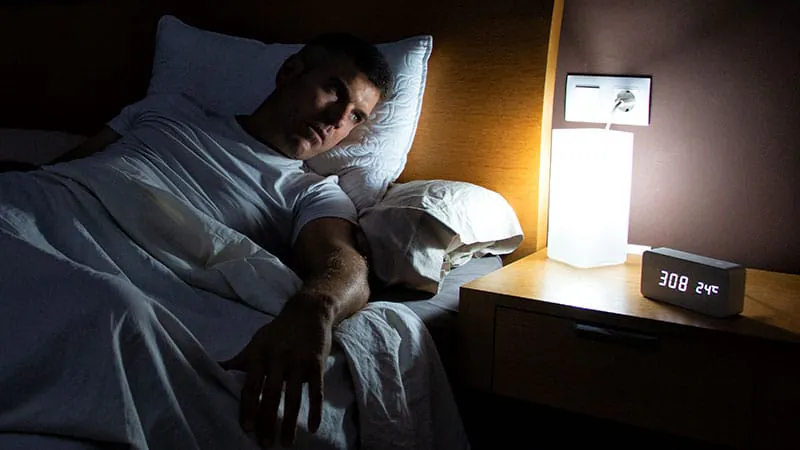
Sleep struggles during chemo? CBT-I has you covered. A new clinical trial found that six weeks of remotely delivered cognitive-behavioral therapy for insomnia (CBT-I) significantly improved sleep quality in women undergoing chemotherapy for breast cancer. Bright light therapy, however, didn't make the cut — even when combined with CBT-I.
Sleep problems are a major — and often overlooked — burden for cancer patients. A new randomized clinical trial published in JAMA Network Open found that six weeks of remotely delivered cognitive-behavioral therapy for insomnia (CBT-I) significantly improved sleep quality in women receiving chemotherapy for breast cancer. Sessions were conducted via telephone or video conference, making the intervention highly accessible.
Bright light therapy, which had shown early promise in smaller studies, failed to deliver meaningful results — either on its own or in combination with CBT-I. Researchers noted the absence of a passive control group as a limitation, leaving open the possibility that all interventions offered some benefit.
By the numbers:
Why it matters: Insomnia during active cancer treatment is common but underaddressed. These findings reinforce CBT-I as the go-to, first-line intervention — and highlight the need for oncologists to routinely screen patients for sleep issues during chemotherapy.