Loading Curie Briefs...
Getting the latest healthcare news for you
Getting the latest healthcare news for you

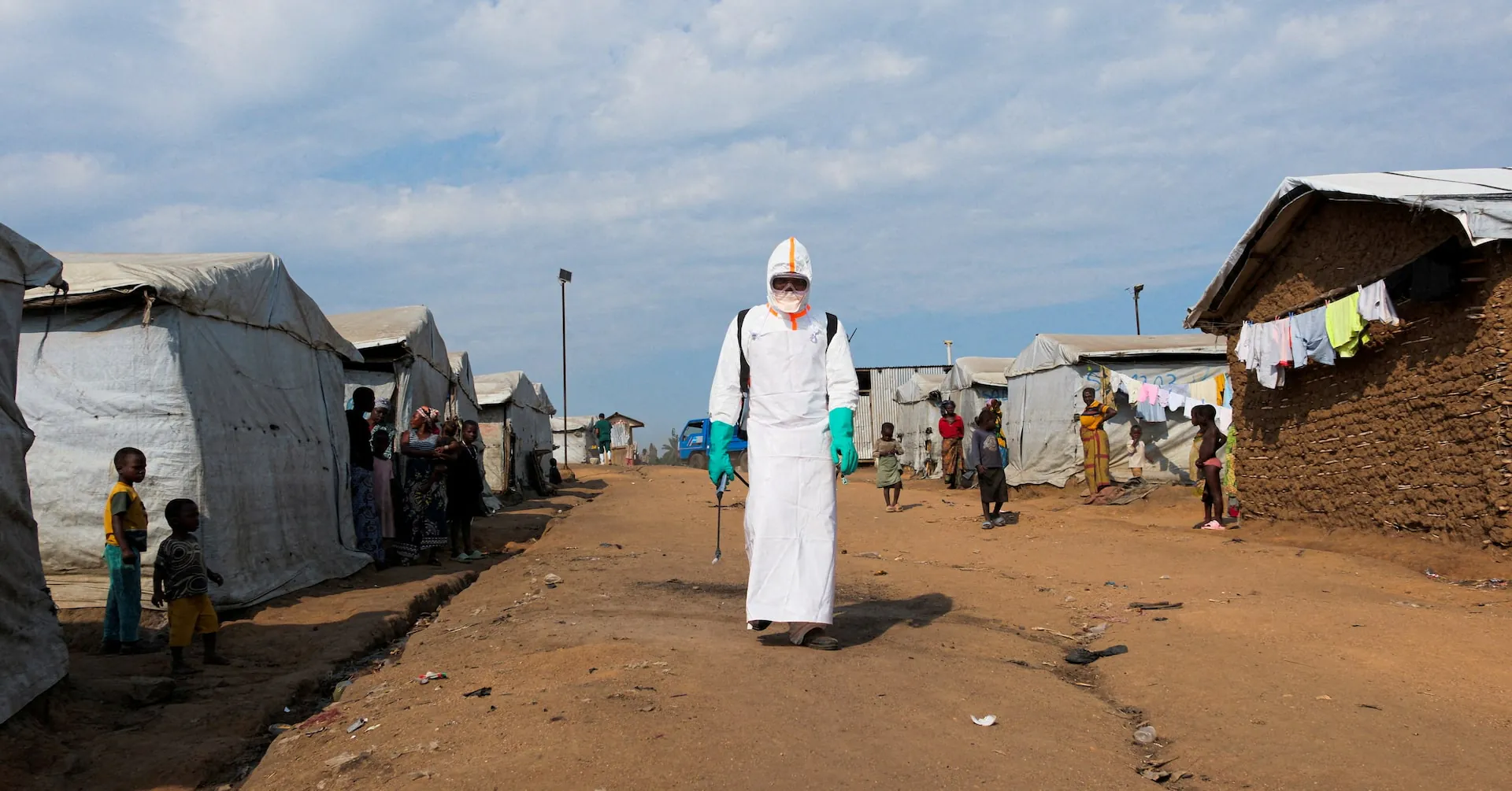
Congo's Ebola crisis hits a grim new milestone, surpassing 6,000 confirmed infections and nearly 2,911 deaths — making it the deadliest outbreak in the country's history. The epidemic is caused by the Bundibugyo strain, for which no approved vaccine or treatment exists. Response teams are working across six affected provinces, while health workers are being vaccinated with a vaccine approved for a different Ebola species.
Congo's Ebola outbreak has shattered records, crossing 6,000 confirmed cases and claiming 2,911 lives as of August 31, 2026 — surpassing the previous worst outbreak in the country from 2018–2020. Declared on May 15, the epidemic has rapidly expanded from its epicenter in Ituri province to six provinces, including North Kivu and Haut-Uele, with WHO officials warning the true scale could be 2–4 times larger than official figures.
The outbreak is caused by the Bundibugyo species of Ebola, for which no approved vaccine or treatment exists. In an effort to slow transmission, Congo began vaccinating frontline health workers with Ervebo — a vaccine licensed for the Zaire species — after receiving more than 50,000 doses. Early animal studies suggest some cross-protection, and 20,000 doses are being used in a clinical trial. Several Bundibugyo-specific vaccine candidates are also in development.
By the Numbers:
Why it matters: This is now the second-deadliest Ebola outbreak in global history, behind only West Africa's 2014–2016 epidemic. With no approved treatments for the Bundibugyo strain and containment efforts hampered by weak infrastructure and community resistance, the outbreak poses a serious regional and global health threat.