Loading Curie Briefs...
Getting the latest healthcare news for you
Getting the latest healthcare news for you

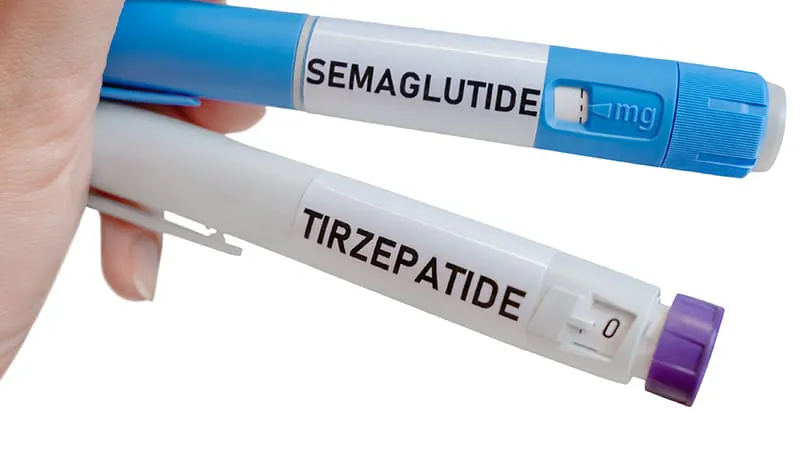
Reaching the maximum GLP-1 dose isn't the finish line — it's a pivot point. Experts say clinicians should shift focus to nutrition quality, resistance training, and close monitoring, while keeping options like dose tapering, medication switching, or bariatric surgery on the table. The key is treating obesity as the chronic disease it is, not a problem that's been solved.
When a patient hits the maximum GLP-1 dose, it can feel like the end of the road — but clinicians say it's really the start of a new phase. Experts recommend reframing this milestone as "active maintenance," shifting nutrition counseling from calorie restriction to calorie quality (think lean protein, fiber, vegetables, and hydration), and adding regular resistance training to preserve lean muscle mass. Patients should also be coached to watch for early warning signs of regain — like the return of "food noise" or increased cravings — not just changes on the scale.
When GLP-1s alone aren't enough, the toolkit expands. Clinicians can consider tapering, dose spacing, switching medications, or adding a second or third obesity drug — mirroring how chronic conditions like hypertension or diabetes are managed with combination therapy. For patients who still haven't reached a healthy weight range, minimally invasive bariatric surgery (like laparoscopic sleeve gastrectomy) is another viable path, and some surgeons are now combining it with GLP-1s for an additive effect.
Key Takeaways:
Why it matters: With GLP-1 discontinuation rates high and weight regain common, having a clear clinical plan at the maximum dose — before problems arise — is essential to sustaining long-term outcomes for patients with obesity.