Loading Curie Briefs...
Getting the latest healthcare news for you
Getting the latest healthcare news for you

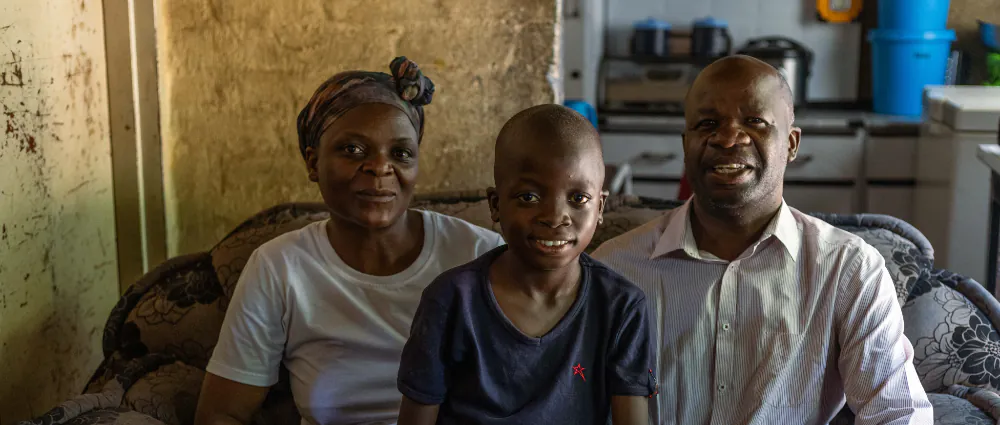
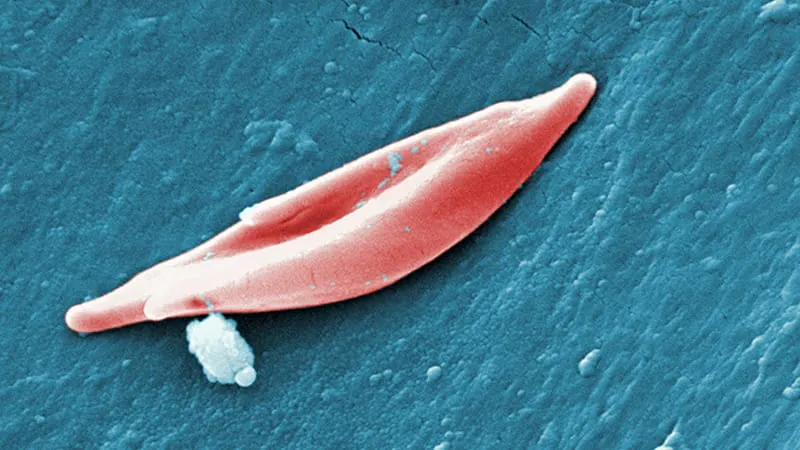
Sickle cell disease kills tens of thousands of young children each year — and most of those deaths are preventable. WHO is rolling out a sweeping package of updated clinical guidelines, child-friendly medicine standards, and a new prequalification pathway to get hydroxyurea to kids in sub-Saharan Africa and other high-burden regions. The goal: make sure where a child is born doesn't determine whether they survive.
Sickle cell disease (SCD) is the world's most common inherited blood disorder, and it's killing children at an alarming rate — particularly in low- and middle-income countries. WHO is now fighting back with a coordinated, multi-pronged strategy to close the gap between available treatments and actual access, starting with hydroxyurea, a proven medicine that can prevent serious complications and save lives.
The effort spans the full pipeline: from updated clinical guidance to child-appropriate medicine formulations to regulatory pathways. In May 2026, WHO published its first-ever normative guideline for SCD in children aged 0–19, strongly recommending hydroxyurea for all children with sickle cell anaemia from 9 months of age, regardless of disease severity. A Target Product Profile (TPP) for paediatric hydroxyurea was published in July 2026, defining ideal formulation characteristics for resource-limited settings. This has now informed the first-ever WHO Prequalification Expression of Interest for SCD therapeutics, opening the door for manufacturers to submit quality-assured paediatric formulations.
By the Numbers:
Why it matters: Effective treatments for SCD already exist, but millions of children — mostly in Africa — can't access them. WHO's coordinated push to align clinical guidance, paediatric-friendly formulations, and prequalification pathways could be a turning point in reducing preventable childhood deaths from this disease.