Loading Curie Briefs...
Getting the latest healthcare news for you
Getting the latest healthcare news for you

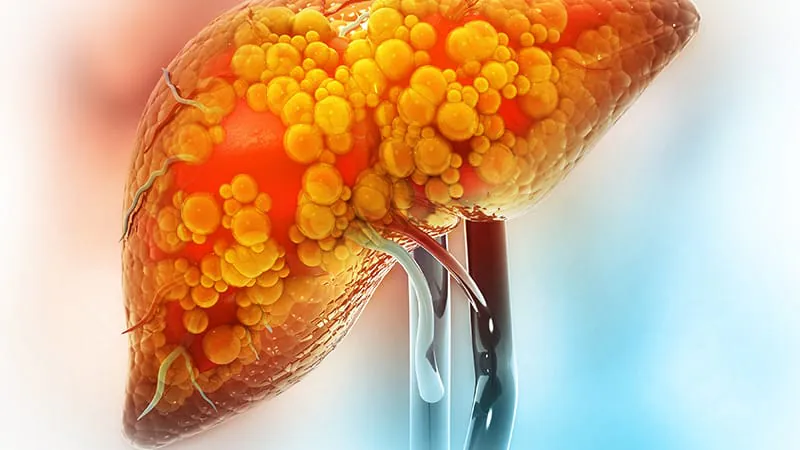
Radiologists are missing a significant number of hepatic steatosis cases on routine CT scans — and AI could help close that gap. A new study found that only about 1 in 3 CT scans with imaging-defined fatty liver had the finding documented in radiology reports. Researchers say AI-based tools that flag liver attenuation values could meaningfully boost detection rates of MASLD.
Fatty liver disease is being routinely overlooked on CT scans, and a new AI tool is shining a light on just how wide that gap is. A retrospective analysis of over 3,600 abdominal noncontrast CT scans found that radiologists documented hepatic steatosis in only about one-third of scans that met imaging criteria — meaning two-thirds of cases went unreported. The study, published in Clinical Gastroenterology and Hepatology, used a deep learning algorithm to measure liver attenuation and flag steatosis, revealing that milder cases were especially likely to be missed.
The findings carry a clear clinical message: the absence of steatosis in a radiology report doesn't mean it isn't there. Researchers suggest that embedding AI tools into radiology workflows to automatically flag liver attenuation values could improve reporting rates and help identify patients with metabolic dysfunction-associated steatotic liver disease (MASLD) who might otherwise go undiagnosed.
By the Numbers
Why it matters: MASLD is one of the most common liver conditions globally, and early detection is key to preventing progression to cirrhosis or liver failure. If AI can reliably flag incidental findings that radiologists overlook, it could become a powerful tool for earlier identification and intervention.