Loading Curie Briefs...
Getting the latest healthcare news for you
Getting the latest healthcare news for you

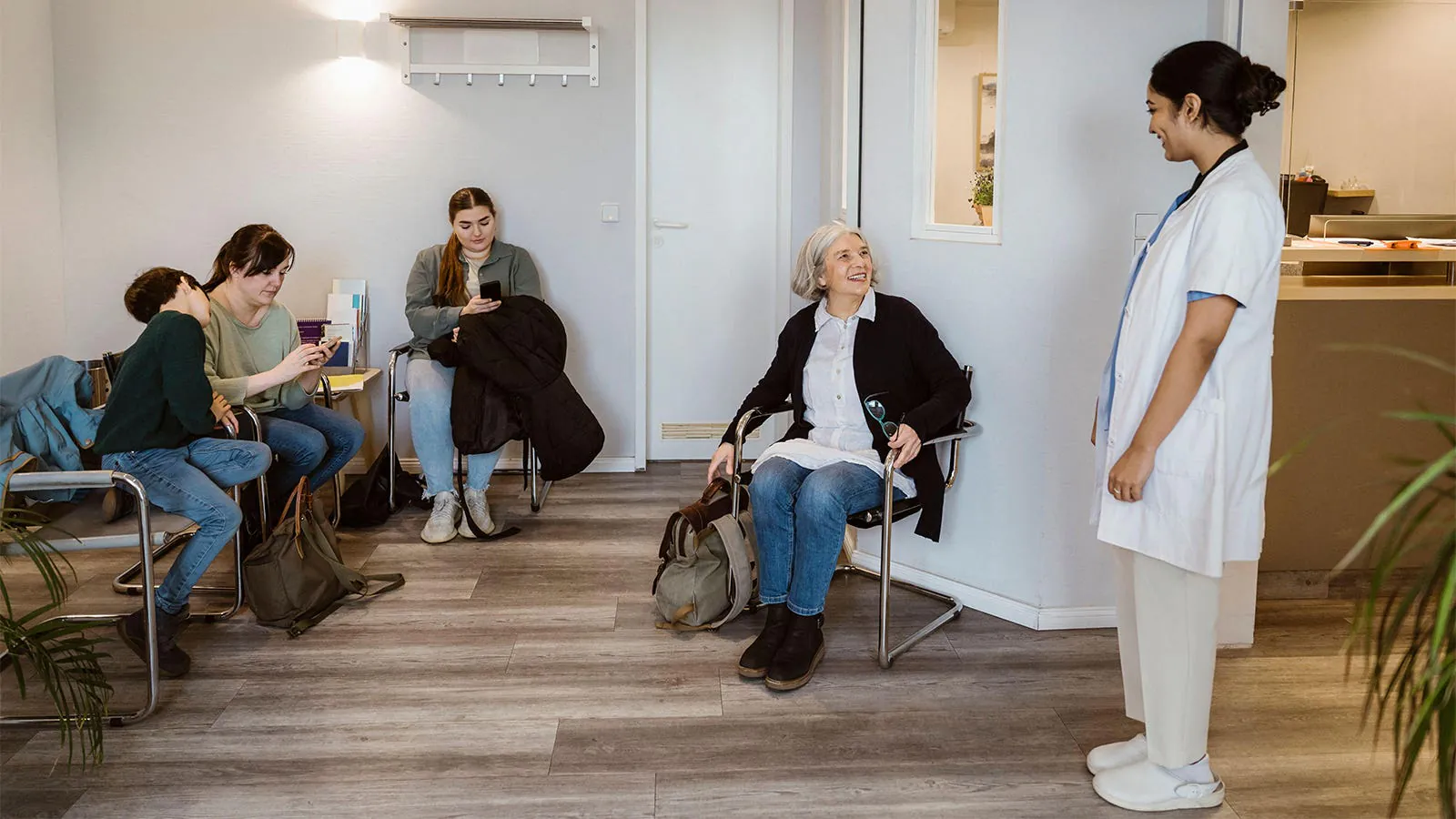
Subspecialist wait times are stretching well over a year in some cases, leaving patients in limbo and primary care doctors frustrated. A MedPage Today physician argues that chronic disease management — long the backbone of primary care — should be reclaimed from overwhelmed specialist clinics. With the right support staff and tools, primary care doctors could free up specialists for the cases that truly need them.
Subspecialist appointment wait times have reached a breaking point. A primary care physician writing for MedPage Today describes referring a patient to a memory disorders specialist — only to learn the earliest available appointment was over a year away. The story isn't unique: across institutions, specialist schedules are packed with patients who could be safely managed in primary care, while those with complex needs wait months for access.
The root causes are layered: post-pandemic burnout is driving providers out of the workforce, self-scheduling tools are letting patients book directly with subspecialists without appropriate screening, and primary care doctors have increasingly referred out conditions they once handled themselves.
The proposed fix? A deliberate "decanting" model — where subspecialists evaluate patients, set a care plan, and hand management back to primary care, staying available for escalation when needed. Backed by nurses, pharmacists, care coordinators, and AI-driven tools, primary care teams could absorb stable chronic disease patients and free specialists for truly complex cases.
Key Takeaways:
Why it matters: With specialist wait times stretching beyond a year, patients are falling through the cracks. Rethinking how chronic disease is managed — and who manages it — could be one of the most practical levers for fixing a strained healthcare system.