Loading Curie Briefs...
Getting the latest healthcare news for you
Getting the latest healthcare news for you

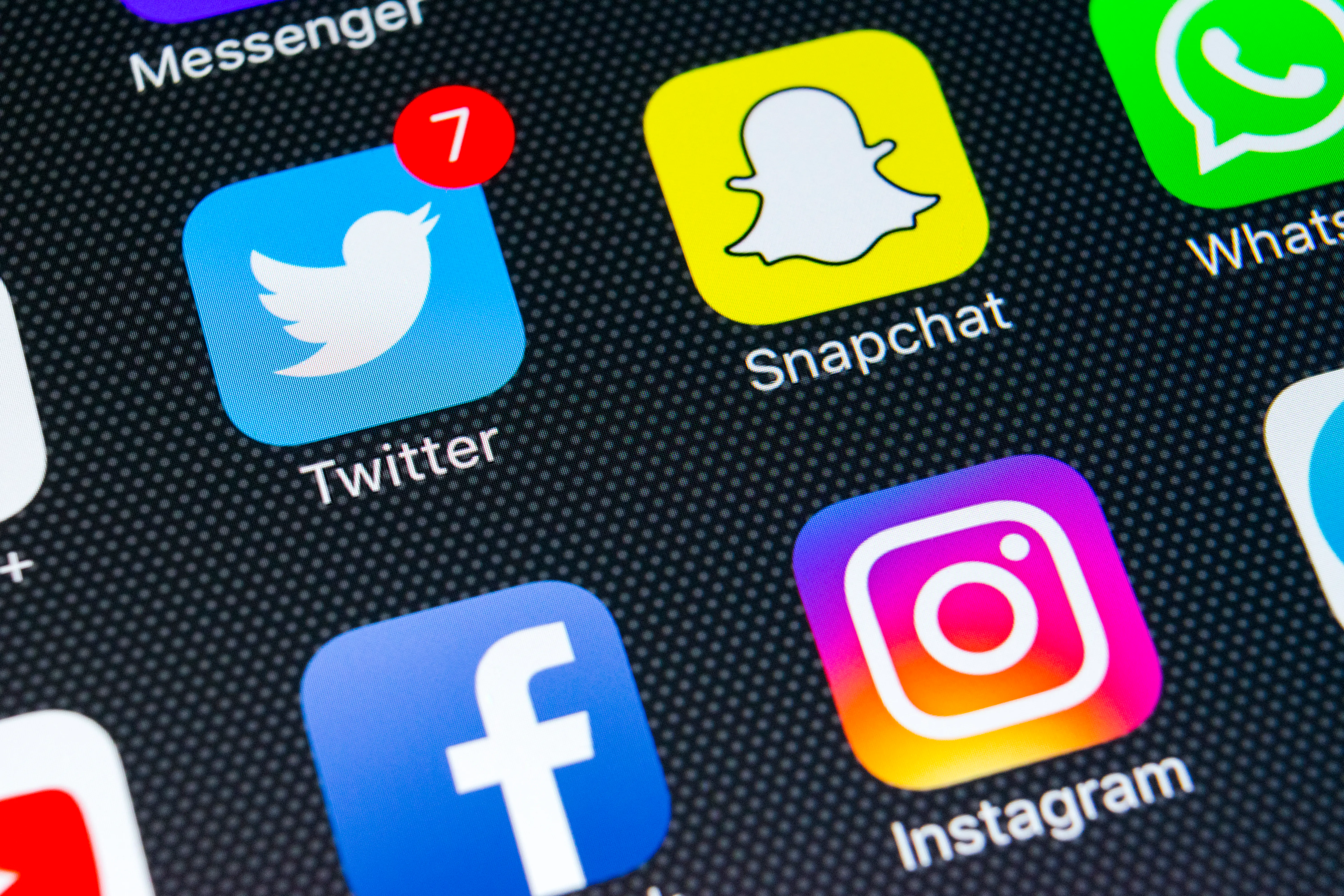
Seven in 10 doctors now report encountering patients influenced by misinformation or disinformation, up from 61% in 2025, according to a new Physicians Foundation survey. Two-thirds say it's hurting their ability to deliver quality care, with patient anxiety, treatment refusal, and eroding trust among the top consequences. Social media, influencers, and word of mouth are the biggest culprits.
Medical misinformation isn't just a social media problem — it's increasingly a clinical one. A new Physicians Foundation survey of over 1,000 doctors found that 70% have encountered patients moderately or heavily influenced by misinformation or disinformation in the past year, up from 61% in 2025. Two-thirds say it's directly undermining their ability to provide quality care, and nearly half report patients refusing recommended treatments as a result.
The fallout goes beyond individual appointments. Patient anxiety is the most commonly cited consequence, but broken trust and treatment nonadherence are close behind. Vaccination rates offer a stark real-world signal: over 4% of kindergarteners received exemptions from routine vaccines last year — the largest single-year jump in over a decade, per the CDC.
By the Numbers:
Why it matters: Physicians are losing ground in the battle for patient trust, and they're doing it with fewer tools and less time. Experts suggest doctors build credible online presences, lead with empathy, and advocate for tighter oversight of health-related commercial advertising — especially for unregulated supplements.