Loading Curie Briefs...
Getting the latest healthcare news for you
Getting the latest healthcare news for you

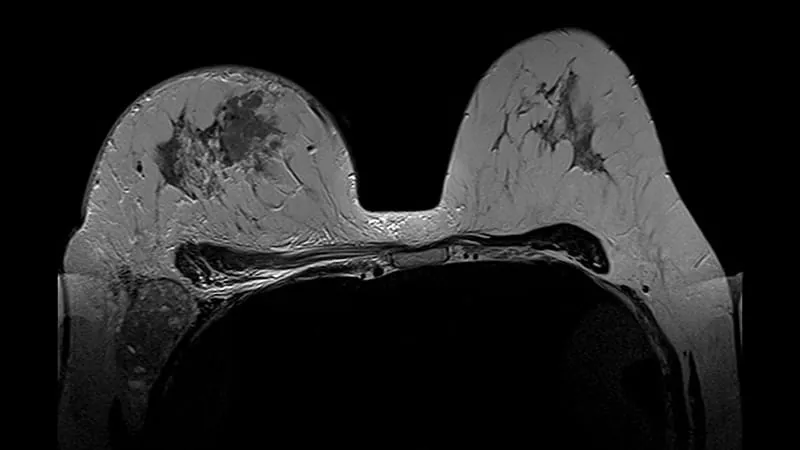
Knowing the name isn't enough. A new survey found that while nearly 80% of US adults had heard of inflammatory breast cancer (IBC), nearly half couldn't identify its hallmark symptoms — like skin thickening, nipple inversion, and peau d'orange. Researchers say public health messaging needs to move beyond "feel for a lump" to capture IBC's distinct, rapid-onset warning signs.
Awareness isn't the same as knowledge. A new study published in JAMA Network Open surveyed 177 US adults and found a striking gap: while 78% had heard of inflammatory breast cancer (IBC), recognition of its key symptoms was alarmingly low. Skin thickening, nipple inversion, and the characteristic "peau d'orange" skin texture were missed by roughly half of respondents — signs that are critical for early detection of this aggressive cancer.
The problem is partly rooted in how breast cancer awareness has historically been framed. Decades of public messaging have centered on lump detection — a feature more common in other breast cancers but less typical of IBC. In fact, 63% of survey respondents identified a breast lump as a warning sign, while far fewer flagged IBC's hallmark symptoms.
By the Numbers:
Why it matters: IBC is rare (1–5% of breast cancers) but deadly, contributing disproportionately to mortality — largely because delayed diagnosis is common. Closing this awareness gap, especially among underserved populations, could be a meaningful step toward earlier detection and better outcomes.