Loading Curie Briefs...
Getting the latest healthcare news for you
Getting the latest healthcare news for you


A new study finds that atrial fibrillation patients carrying clonal hematopoiesis (CHIP) gene mutations face significantly higher rates of silent brain lesions and faster cognitive decline. Over 7 years, CHIP carriers scored lower on cognitive assessments compared to non-carriers. Researchers say these mutations may be fueling small vessel brain disease in AFib patients.
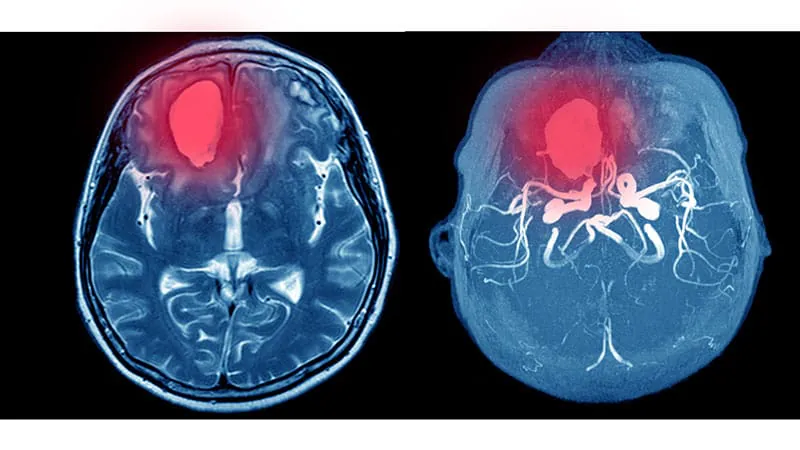
A large study published in Circulation reveals a troubling link between a common genetic phenomenon and hidden brain damage in people with atrial fibrillation (AFib). Researchers found that AFib patients carrying clonal hematopoiesis of indeterminate potential (CHIP) — age-related mutations in blood stem cells — had significantly higher rates of silent brain lesions, including cerebral microbleeds and white matter lesions, compared to those without the mutations.
The study followed 1,572 Swiss AFib patients over several years, with findings validated in an independent Korean cohort. CHIP was detected in 22% of participants, most commonly involving the DNMT3A and TET2 genes. Over 7 years, CHIP carriers showed greater cognitive decline, with DNMT3A carriers experiencing the steepest drop in cognitive scores.
Key Takeaways:
Why it matters: These findings suggest CHIP isn't just a cardiovascular risk factor — it may actively drive brain damage and cognitive decline in AFib patients, opening the door to new screening and treatment strategies targeting this genetic pathway.