Loading Curie Briefs...
Getting the latest healthcare news for you
Getting the latest healthcare news for you

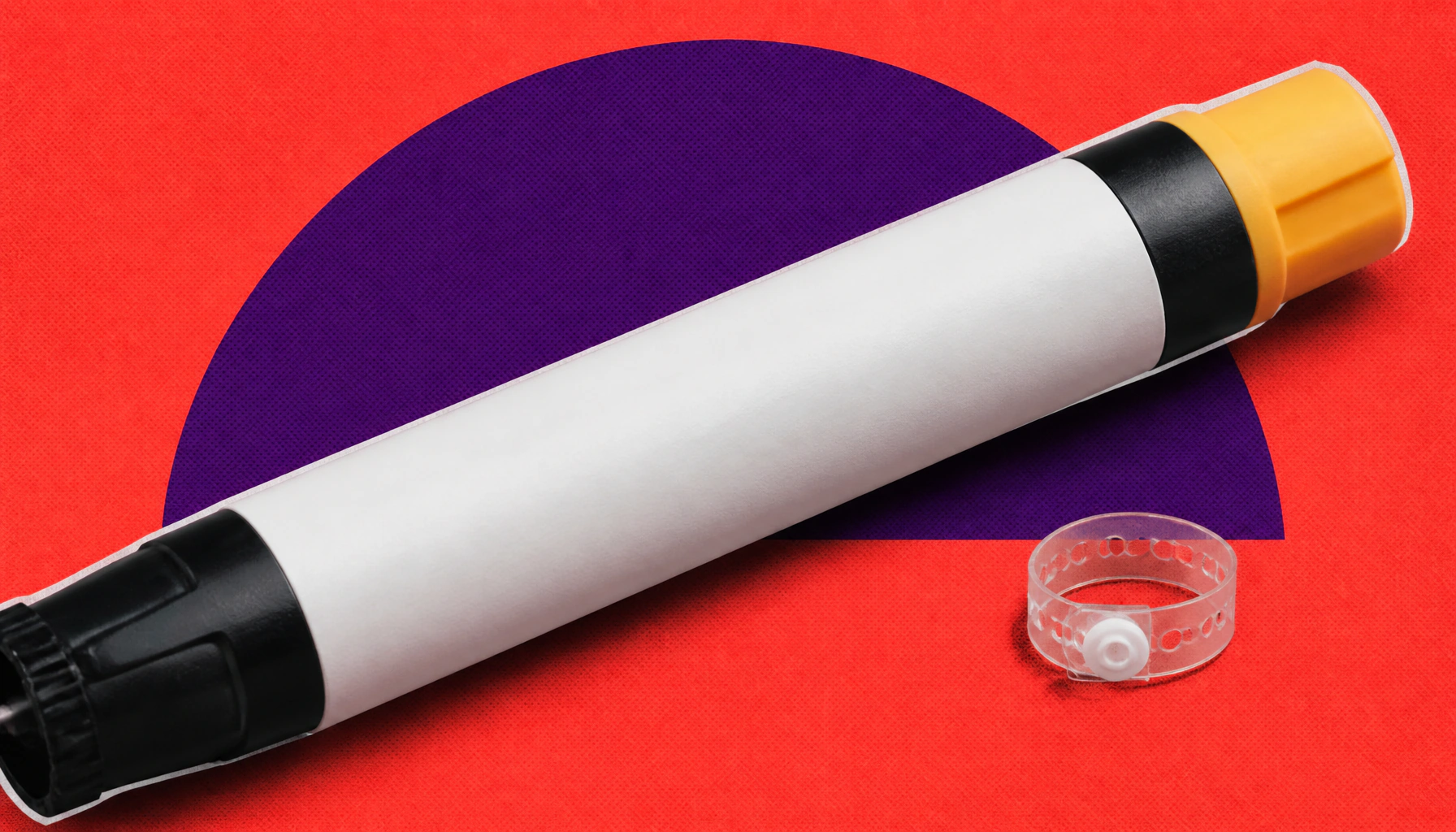
Two new reviews aim to close the gap on anaphylaxis recognition and epinephrine underuse in the youngest patients. One targets pediatricians with clinical guidance, while the other uses plain language and infographics for parents and caregivers. Both address the multiple barriers — from cost and fear of injections to not recognizing severity — that delay life-saving treatment.
Two newly published reviews are taking aim at a persistent problem: epinephrine is consistently underused when infants and toddlers experience anaphylaxis. One review, published in Pediatric Drugs, is aimed at pediatricians and digs into why this happens — and how to fix it. The other, a plain-language review in Expert Review of Clinical Immunology, is designed for parents, caregivers, and daycare staff, complete with infographics to make the information easy to absorb quickly.
The reviews come at a critical time. As guidelines have shifted toward earlier food introduction in infants, allergic reactions in this age group have increased. Yet epinephrine — the first-line treatment — remains underused due to a cascade of barriers: patients not being identified as at-risk, prescriptions not being filled, devices not being carried, and fear of injections or ED visits holding families back.
Key Takeaways:
Why it matters: Anaphylaxis can be fatal, and infants and toddlers are a uniquely vulnerable group. These accessible, targeted resources could meaningfully improve how quickly families and frontline clinicians act in an emergency.