Loading Curie Briefs...
Getting the latest healthcare news for you
Getting the latest healthcare news for you


The FDA has approved rusfertide (Mimrylo, Takeda), a first-in-class weekly injection for adults with polycythemia vera whose disease isn't controlled by existing therapies. The drug mimics the hormone hepcidin to curb red blood cell overproduction. In the phase 3 VERIFY trial, nearly 77% of patients on rusfertide avoided phlebotomies, compared to just 33% on placebo.
The FDA has approved rusfertide (Mimrylo, Takeda) for adults with polycythemia vera (PV) — a rare blood disorder where the body overproduces red blood cells, thickening the blood and raising the risk of life-threatening clots, strokes, and pulmonary embolisms. The drug is specifically indicated for patients whose disease hasn't been adequately controlled with existing treatments like hydroxyurea, phlebotomy, or ruxolitinib.
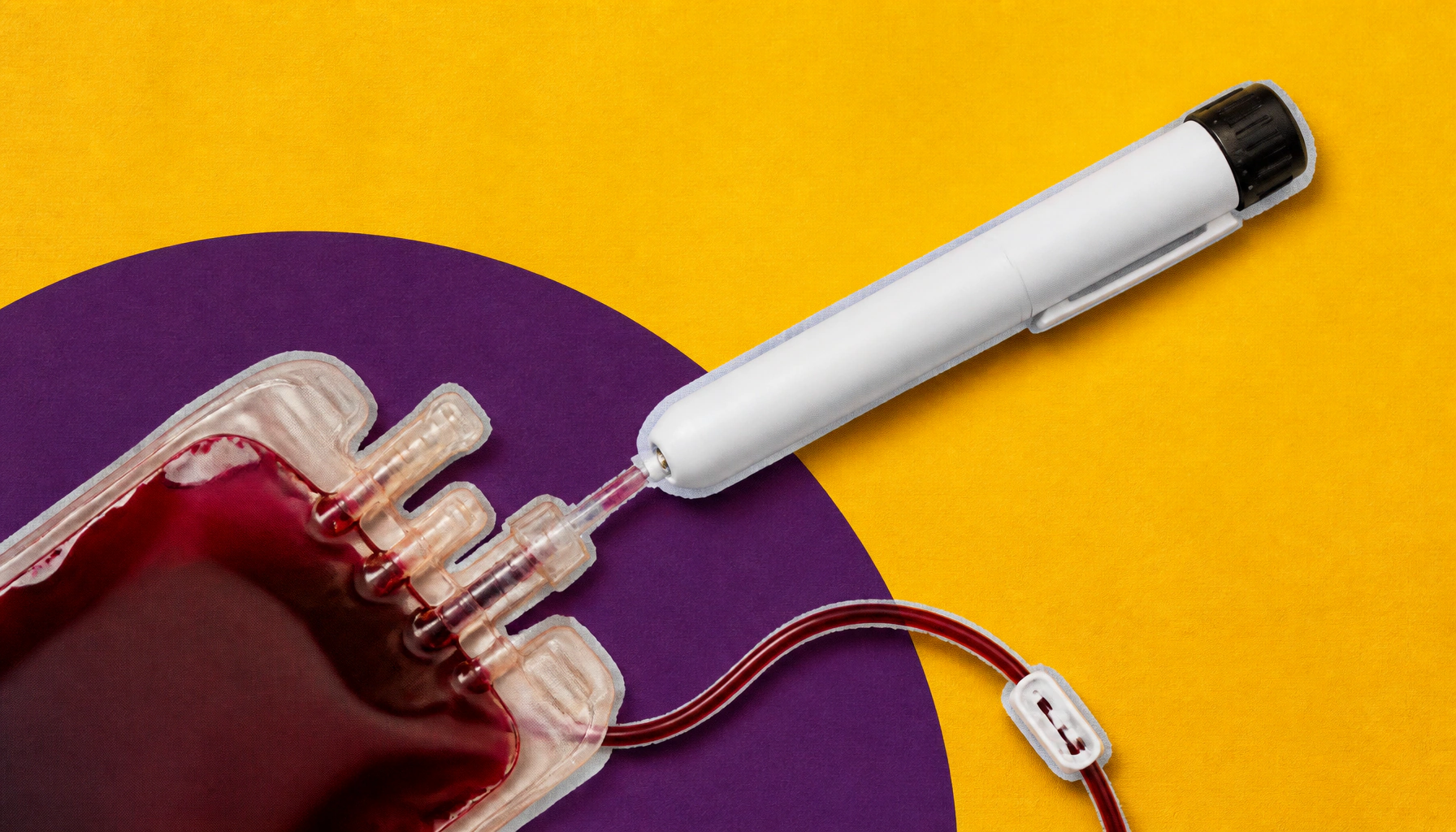
Rusfertide is a first-in-class, once-weekly self-administered subcutaneous injection that works by mimicking hepcidin, a hormone that regulates iron and red blood cell production. Approval was based on the phase 3 VERIFY trial, which enrolled 293 phlebotomy-dependent patients randomized to rusfertide or placebo on top of standard care.
By the Numbers:
Why it matters: PV patients often rely on frequent, burdensome phlebotomies to manage their condition. Rusfertide offers a novel mechanism of action that dramatically reduces that need, giving clinicians a meaningful new tool for patients who've exhausted standard options.