Loading Curie Briefs...
Getting the latest healthcare news for you
Getting the latest healthcare news for you

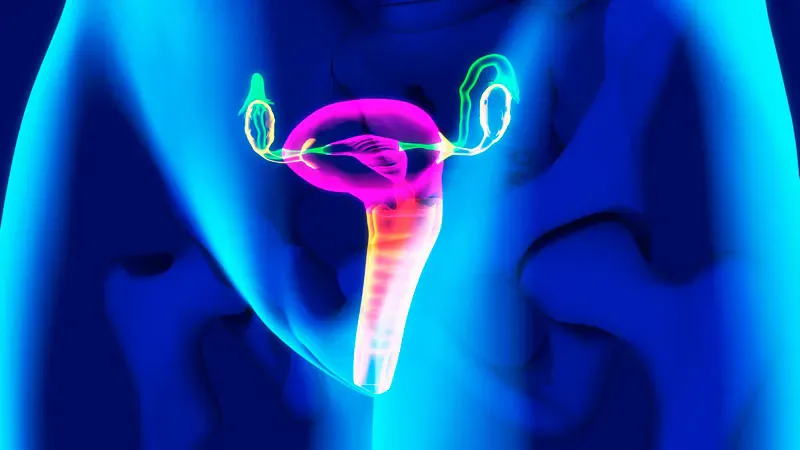
A new "reproductive resilience hypothesis" published in Cell flips the script on aging — arguing that female reproductive biology doesn't speed up aging, it actually drives the body's ability to recover and repair. Researchers say the ovary is one of the first organs to age and may influence health across all tissues. The findings could reshape how clinicians assess disease risk in women.
A bold new framework published in Cell proposes that reproduction and longevity aren't trade-offs — they're biologically coupled. The "reproductive resilience hypothesis" argues that female reproductive tissues actively promote systemic resilience, meaning the body's capacity to recover from stress and repair itself. Researchers suggest that natural selection may have favored mechanisms linking reproductive success to long-term body maintenance, helping explain why women tend to outlive men.
Central to the hypothesis is the ovary, which researchers describe as a master regulator of systemic health. The ovary begins aging 10–15 years before menopause and influences virtually every tissue in the body. Notably, women with later menopause not only live longer — their brothers do too — pointing to shared genetic longevity mechanisms that could benefit both sexes.
Key Takeaways:
Why it matters: This hypothesis could fundamentally change how medicine approaches aging — shifting focus toward female-specific biology and opening new avenues for treatments that target aging itself to address multiple chronic diseases simultaneously.