Loading Curie Briefs...
Getting the latest healthcare news for you
Getting the latest healthcare news for you


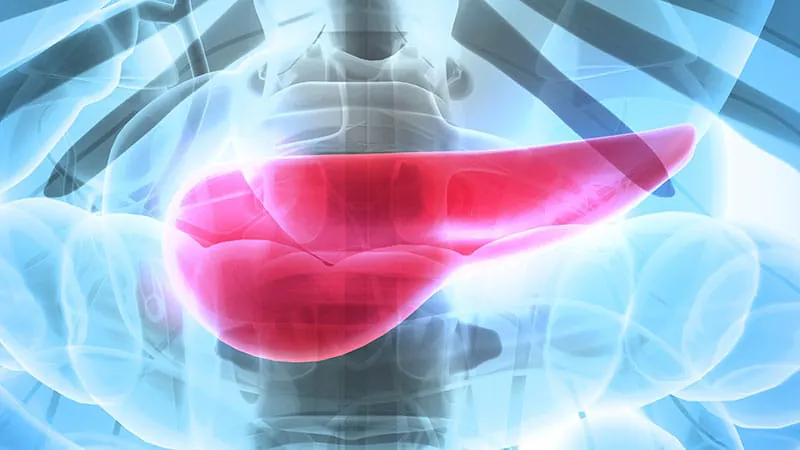
Two powerful RNA-based therapies are reshaping how doctors treat severe hypertriglyceridemia — a condition long resistant to standard lipid-lowering drugs. Plozasiran cut triglycerides by up to 81% and dramatically reduced acute pancreatitis events in two large trials. Meanwhile, olezarsen became the first FDA-approved therapy specifically indicated to reduce acute pancreatitis risk in this population, with triglyceride reductions of up to 72% and an 85% drop in pancreatitis events.
Severe hypertriglyceridemia — defined as fasting triglyceride levels above 500 mg/dL — has long been one of the toughest gaps in lipid management, leaving patients at serious risk of acute pancreatitis despite diet changes and existing therapies. Two RNA-based drugs are now changing that picture in a big way.
Plozasiran (Redemplo, Arrowhead), a gene-silencing therapy, delivered median triglyceride reductions of 79–81% in the SHASTA-3 and SHASTA-4 trials (n=757 combined), with effects sustained over 12 months. Pooled data showed a 78% reduction in acute pancreatitis event rates vs. placebo. The drug was well-tolerated, with only a 1.2% discontinuation rate due to adverse effects. Results were published in The New England Journal of Medicine and presented at the ESC Congress.
Olezarsen (Tryngolza, Ionis Pharmaceuticals), an apolipoprotein C-III inhibitor, earned FDA approval in June 2026 — making it the first therapy approved to reduce acute pancreatitis risk in adults with severe hypertriglyceridemia. Its approval was backed by the CORE and CORE2 trials, which showed triglyceride reductions of 49–72% and an 85% reduction in pancreatitis events vs. placebo.
By the Numbers:
Why it matters: For patients who've had few effective options beyond diet and fibrates, these therapies represent a paradigm shift — offering durable, clinically meaningful triglyceride control and, critically, a real reduction in life-threatening pancreatitis events.