Loading Curie Briefs...
Getting the latest healthcare news for you
Getting the latest healthcare news for you

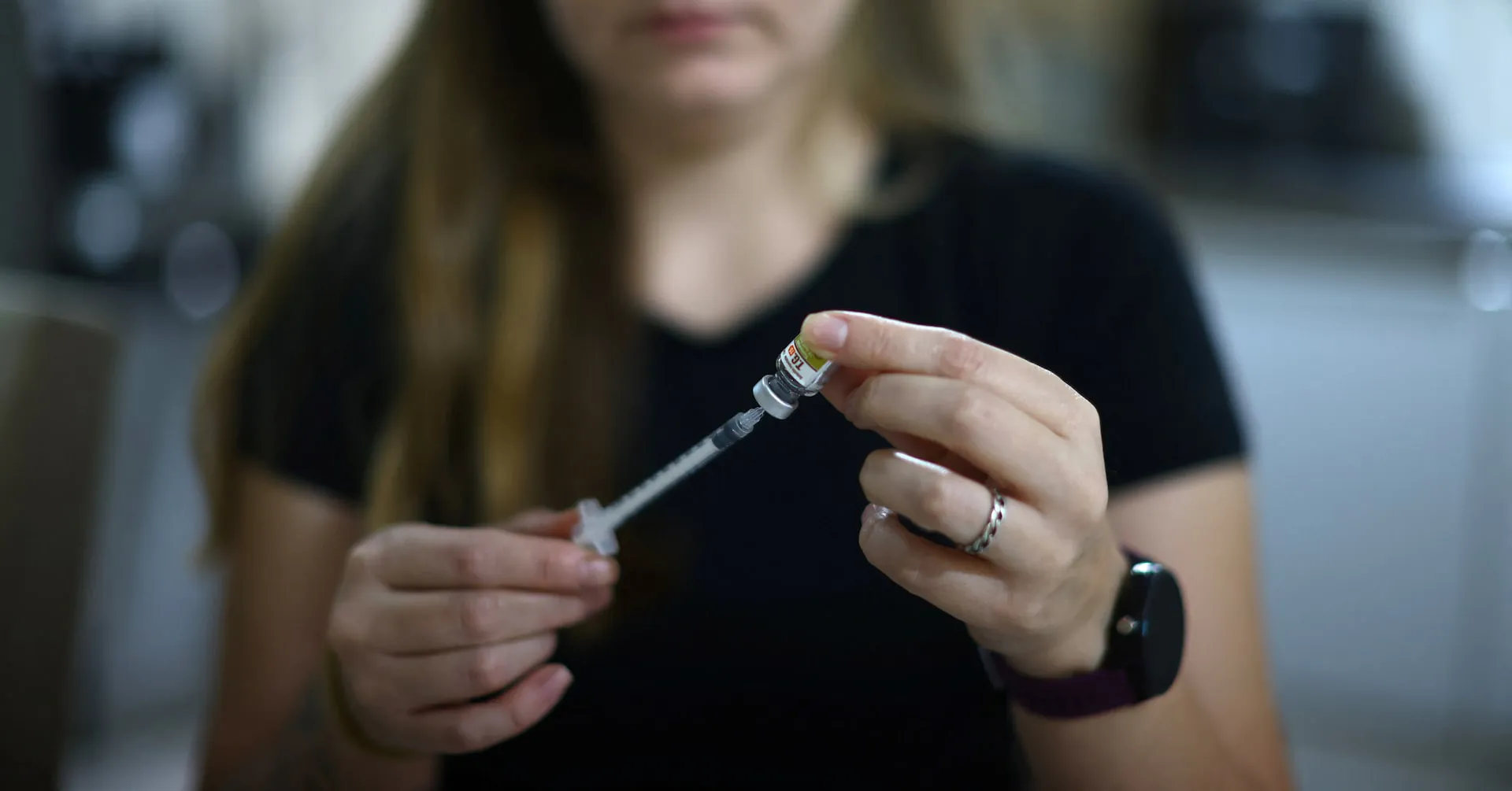
Brazil's appetite for weight-loss drugs like Mounjaro and Wegovy has spawned a dangerous black market, with smuggled and counterfeit GLP-1s flooding in from Paraguay. Illegal seizures skyrocketed from 609 units in 2024 to over 60,000 in 2025, and authorities are investigating 83 deaths linked to weight-loss drugs. With half the country's $7 billion market coming from unregulated sources, officials are racing to make cheaper, approved alternatives available.
Brazil's booming demand for GLP-1 weight-loss drugs has given rise to a thriving black market, with smugglers hiding vials of tirzepatide inside dulce de leche jars, motorcycle exhaust pipes, and fake shoe soles. The country's beauty-conscious culture, limited purchasing power, and weak law enforcement have made it one of the world's hottest — and most dangerous — markets for medications like Eli Lilly's Mounjaro and Novo Nordisk's Wegovy.
About 51% of Brazil's estimated $7 billion weight-loss drug market this year is expected to come from untracked sources, including compounding pharmacies and products smuggled from Paraguay, where looser patent laws allow cheaper manufacturing. Consumers are drawn by the stark price gap: a four-week supply of brand-name Mounjaro costs around $290, while smuggled alternatives can be had for a fraction of that. Authorities are investigating 83 deaths and over 3,600 complications linked to weight-loss drugs recorded since 2018.
By the Numbers:
Why it matters: The crisis highlights the serious public health risks when demand for high-cost medications outpaces affordability and regulation. Brazil's recent approval of cheaper domestic GLP-1 alternatives — including a generic semaglutide pen for under $100 — may help curb the black market, but the scale of unregulated use already poses a significant and growing health threat.