Loading Curie Briefs...
Getting the latest healthcare news for you
Getting the latest healthcare news for you

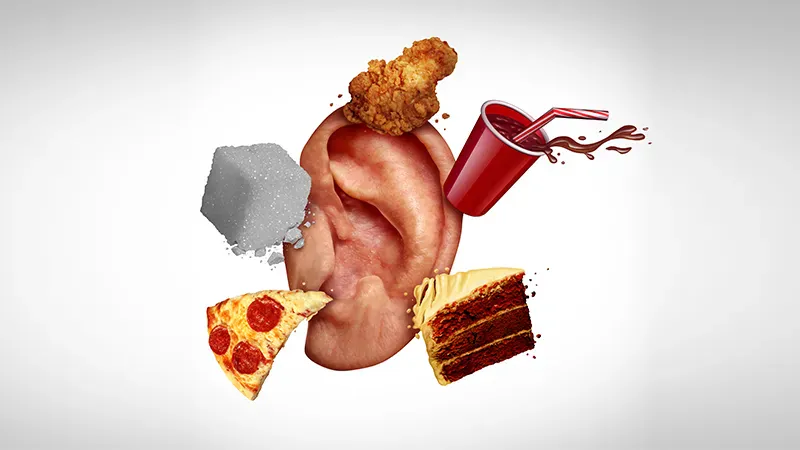
GLP-1s don't silence food cravings for everyone, and the stigma around using them may be making things worse. New research calls for better frameworks to classify food-related thoughts and measure treatment-related stigma — while also pushing clinicians to move beyond BMI and adopt more individualized, long-term obesity care.
GLP-1 medications have transformed obesity treatment, but they're not a one-size-fits-all fix. "Food noise" — frequent, intrusive food-related thoughts that interfere with daily life — doesn't quiet for every patient on a GLP-1 or after bariatric surgery, and clinicians still don't fully understand why. Researchers are now proposing a more detailed classification framework to help clinicians assess food-related thoughts, track changes over time, and distinguish healthy thinking from patterns that need treatment.
Meanwhile, a separate but related problem is growing: stigma around GLP-1 use itself. Patients who lose weight with medication are often judged more harshly than those who lose weight through diet and exercise — and surveys show 76% of GLP-1 users report experiencing stigma about their medication. This stigma can compound existing weight bias, discouraging patients from starting or sticking with treatment. On the clinical side, experts also warn that BMI alone isn't enough to guide obesity care — a full evaluation, complication staging, and individualized long-term management are essential.
Key Takeaways:
Why it matters: As GLP-1 use surges, clinicians face a dual challenge — refining how they assess and treat obesity while actively countering the stigma that may be keeping eligible patients from getting care in the first place.