Loading Curie Briefs...
Getting the latest healthcare news for you
Getting the latest healthcare news for you


Switching to a 1-hour high-sensitivity troponin pathway for suspected MI is safe, but it won't speed up emergency department stays. The large, real-world PRESC1SE-MI trial found median ED length of stay stayed at 309 minutes under both the 1-hour and 3-hour pathways. Experts say faster lab results alone can't fix ED overcrowding — workflow bottlenecks like physician availability and discharge logistics are the real culprits.
Faster troponin testing rules out heart attacks safely — but won't unclog your ED
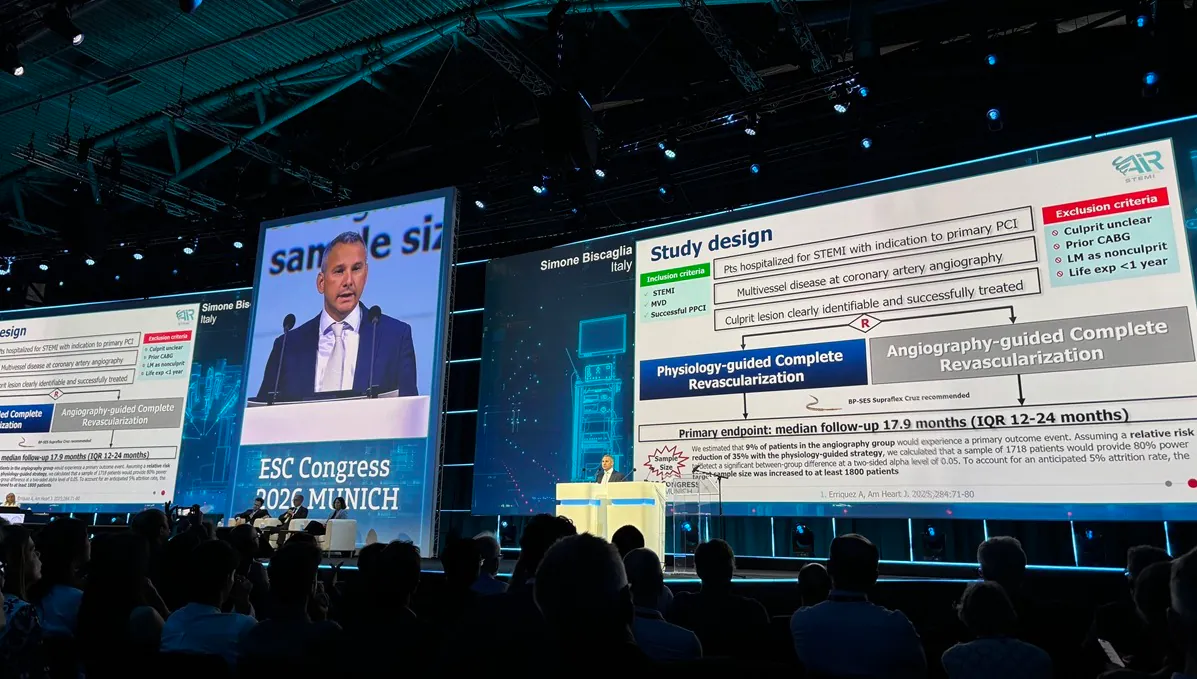
The PRESC1SE-MI trial, presented at ESC Congress 2026 and simultaneously published in The Lancet, tested whether switching from a 3-hour to a 1-hour high-sensitivity cardiac troponin (hs-cTn) pathway could safely and efficiently rule out myocardial infarction (MI) in the ED. Across 19 hospitals in 10 countries, the accelerated pathway proved non-inferior on safety — but delivered a surprising miss on efficiency.
Even though the second troponin result arrived roughly 2 hours earlier with the 1-hour pathway, median ED length of stay remained identical at 309 minutes for both strategies. Investigators pointed to downstream bottlenecks — physician availability, imaging, consultations, and discharge logistics — as the real rate-limiting steps, not the speed of the lab result.
By the numbers:
Why it matters: The 1-hour troponin pathway is safe to use and should reassure clinicians already adopting it — but hospitals hoping it will ease ED overcrowding need to look beyond the lab. Smarter clinical decision-support integration and streamlined post-diagnosis workflows are the next frontier.