Loading Curie Briefs...
Getting the latest healthcare news for you
Getting the latest healthcare news for you

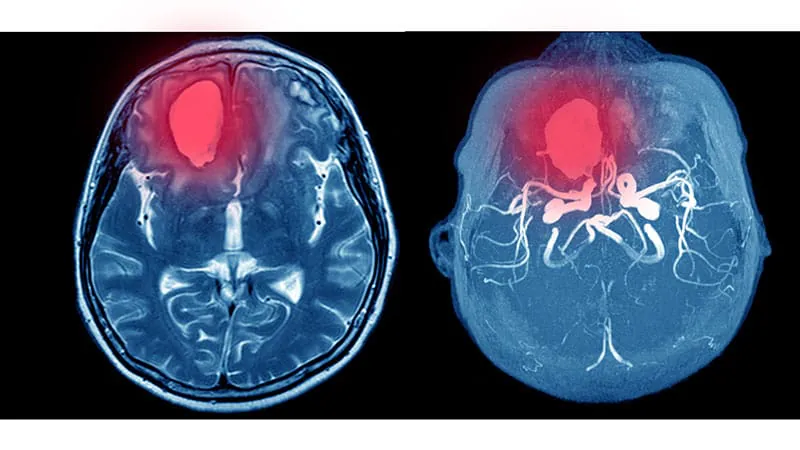
A major clinical dilemma just got more complicated. The ENRICH-AF trial found that edoxaban reduced ischemic stroke in atrial fibrillation patients who had previously suffered an intracranial hemorrhage — but the gains were cancelled out by a sharp rise in hemorrhagic stroke and major bleeding. The bottom line: no overall clinical benefit, and individualized decision-making remains essential.
A major clinical dilemma just got more complicated. The ENRICH-AF trial — the largest randomized study of its kind — found that edoxaban reduced ischemic stroke by 43% in AF patients with a prior intracranial hemorrhage (ICH). But that benefit was completely offset by a nearly threefold increase in hemorrhagic stroke and a doubling of major bleeding events, leaving no net clinical benefit in an unselected patient population.
Presented at ESC Congress 2026, the trial randomized 944 patients (mean age 77, median CHA₂DS₂-VASc score of 4) to edoxaban or no anticoagulation across 174 sites in 20 countries. ICH subtype mattered: patients with lobar ICH — often linked to cerebral amyloid angiopathy — faced particularly high recurrent bleeding rates on edoxaban.
By the Numbers:
Why it matters: This trial fills a critical evidence gap for a population historically excluded from landmark AF trials. The findings argue against routine anticoagulation after ICH in AF and push clinicians toward individualized risk-benefit assessments — with emerging options like left atrial appendage occlusion and factor XI/XIa inhibitors on the horizon.