Loading Curie Briefs...
Getting the latest healthcare news for you
Getting the latest healthcare news for you

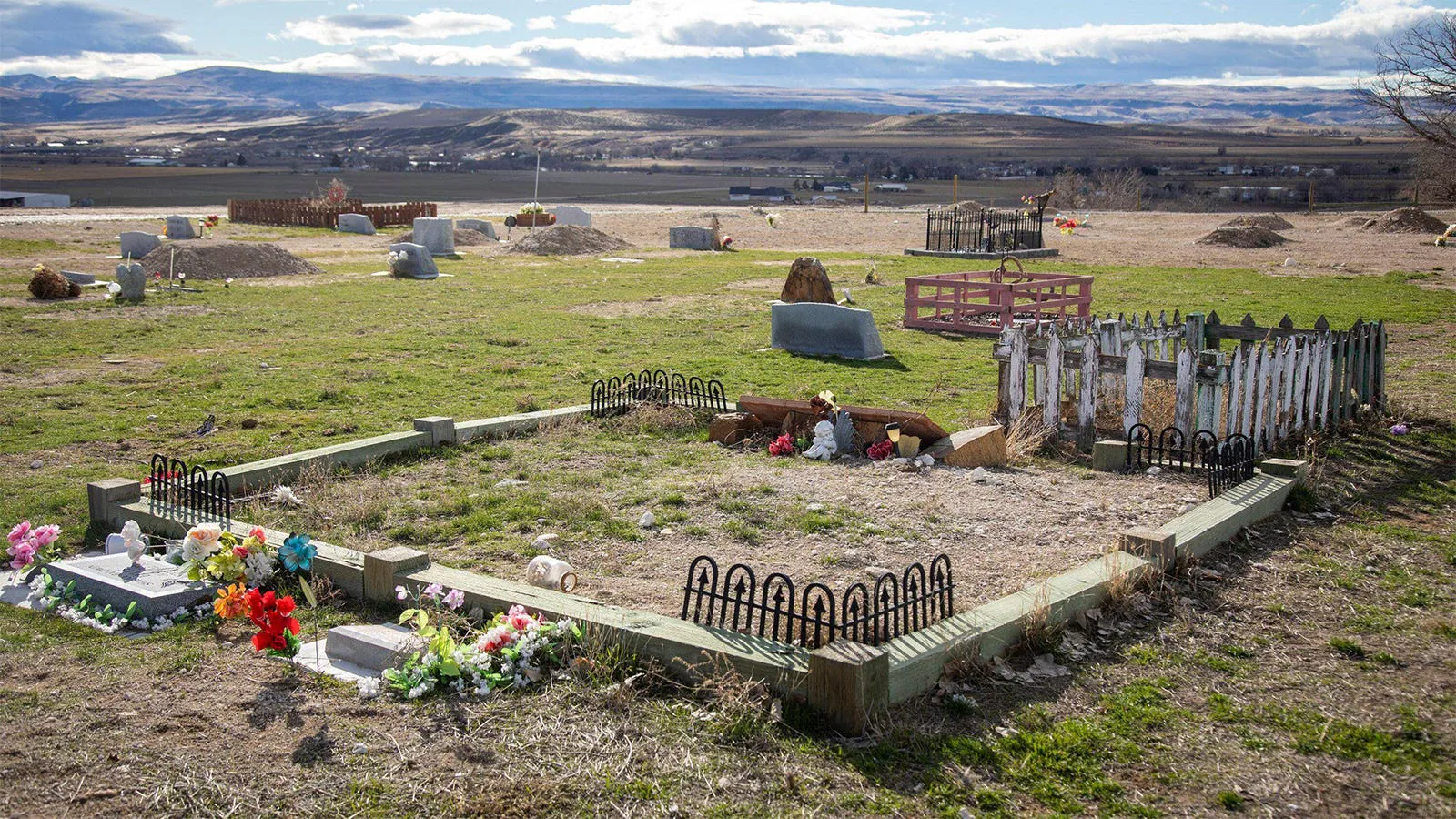
Idaho currently shields faith-healing parents from criminal charges if their children die without medical care — but it wasn't always that way. Historical records show that from the 1880s through the early 1970s, withholding medical care from a sick child was a criminal offense with no religious exemption. A quiet 1971 legislative rewrite changed everything, and Idaho has never looked back.
Idaho is one of the few states that still legally protects parents who choose prayer over medicine for critically ill children — shielding them from charges of child neglect or manslaughter. But a deep dive into historical records reveals this wasn't always the case. From the 1880s through the early 1970s, Idaho law was unambiguous: withholding medical care from a child was a criminal misdemeanor, with no carve-out for religious belief. Courts enforced it, too — including a 1960s case where a judge removed a child from a faith-healing family and declared, "The law governs conduct. Religion governs opinion."
The turning point came quietly in 1971, when Idaho's Legislature rewrote its criminal code and added language exempting parents who choose "treatment by prayer or spiritual means alone." A federal nudge followed — the Child Abuse Prevention and Treatment Act of 1974 was interpreted as requiring states to adopt faith-healing exemptions to qualify for grants, spurring a nationwide wave of similar laws. Though the federal mandate was dropped by 1983 and several states later rolled back their exemptions, Idaho doubled down, even broadening its protections in 1976.
Key Takeaways:
Why it matters: Children in faith-healing households remain uniquely vulnerable under Idaho law. As preventable deaths continue to be documented, the historical record makes clear that protecting children from medical neglect was once a legal priority — and that rolling back these exemptions is both legally precedented and potentially life-saving.