Loading Curie Briefs...
Getting the latest healthcare news for you
Getting the latest healthcare news for you

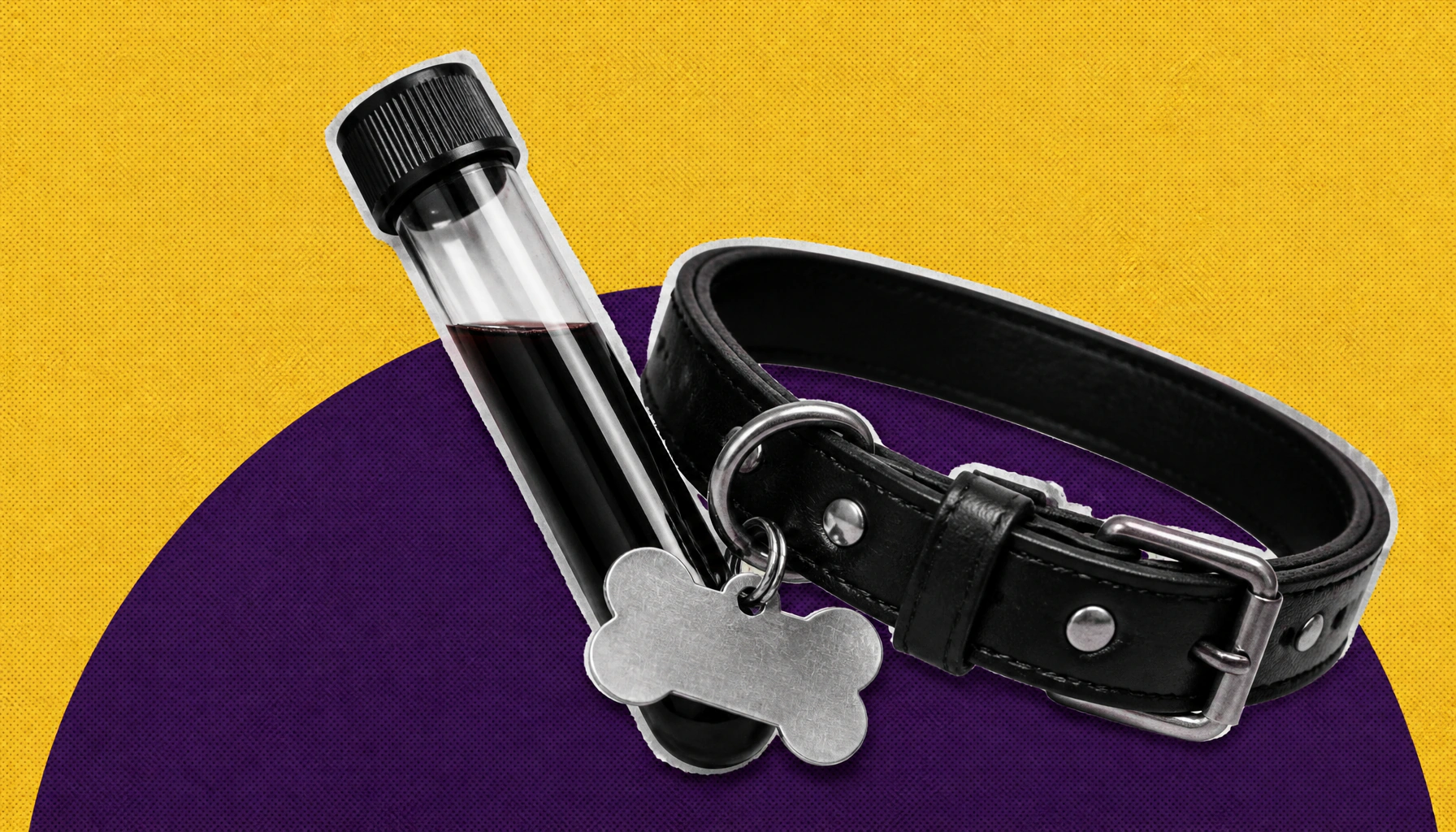
Your dog might be aging just like you. Researchers from the Dog Aging Project found that metabolic patterns in dogs' blood linked to earlier or later death closely mirror those seen in humans. The discovery suggests dogs and people share key biological features of aging — and that studying one species could unlock insights for the other.
Man's best friend may also be science's best model for aging research. A new study published in The Journals of Gerontology by the Dog Aging Project found that patterns of small molecules — called metabolites — in dogs' blood are associated with longer or shorter lifespans in ways that strikingly resemble patterns already identified in humans. Researchers analyzed thousands of metabolites from blood samples of dogs enrolled in the project, then compared their findings against five large human mortality studies using similar methods. The overlap was remarkable.
The study used mortality as a clear, measurable endpoint, allowing researchers to work backward and identify which biological processes — including metabolism, inflammation, and cellular stress responses — may be driving aging outcomes in both species.
Key Takeaways:
Why it matters: These findings open a two-way street for aging research: human insights can be applied to improve dog health, and dogs can serve as faster, real-world models for studying human aging biology — potentially accelerating the search for interventions that extend healthy lifespans in both species.