Loading Curie Briefs...
Getting the latest healthcare news for you
Getting the latest healthcare news for you


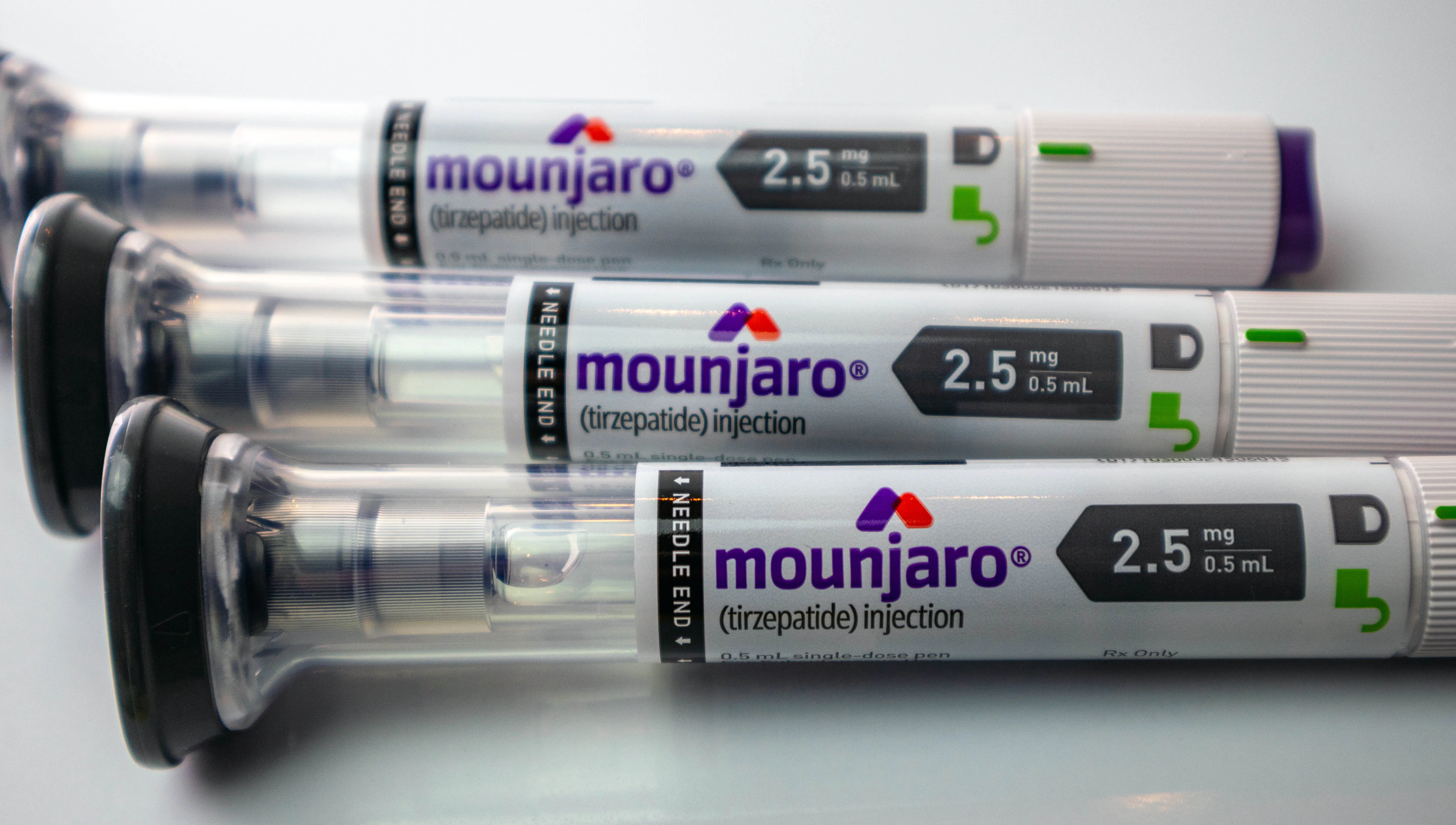
The FDA has approved Eli Lilly's Mounjaro (tirzepatide) to reduce the risk of heart attack, stroke, and cardiovascular death in adults with type 2 diabetes at high cardiovascular risk. It's the first dual GIP/GLP-1 receptor agonist to earn this indication, based on the landmark SURPASS-CVOT trial. Mounjaro showed an 8% lower rate of major adverse cardiovascular events compared to dulaglutide (Trulicity).
The FDA has officially approved Eli Lilly's Mounjaro (tirzepatide) to reduce the risk of major adverse cardiovascular events — including heart attack, stroke, and cardiovascular death — in adults with type 2 diabetes (T2D) who are at high cardiovascular risk. This makes tirzepatide the first dual GIP and GLP-1 receptor agonist to receive this indication, adding a meaningful new label to an already widely used drug.
The approval is grounded in results from the SURPASS-CVOT trial, a 5-year, randomized, double-blind Phase 3 study involving 13,299 participants across 30 countries. Tirzepatide was compared head-to-head against dulaglutide (Trulicity), a GLP-1 agonist with established cardiovascular benefits. The drug demonstrated noninferiority — and an 8% lower rate of MACE-3 events — though superiority over dulaglutide was not established. Safety was consistent with tirzepatide's known profile, with mostly mild-to-moderate GI side effects occurring primarily during dose escalation.
By the Numbers:
Why it matters: This approval expands Mounjaro's clinical utility beyond glucose control, giving clinicians a single agent that addresses both metabolic and cardiovascular risk in T2D patients — a population where heart disease remains a leading cause of death.