Loading Curie Briefs...
Getting the latest healthcare news for you
Getting the latest healthcare news for you

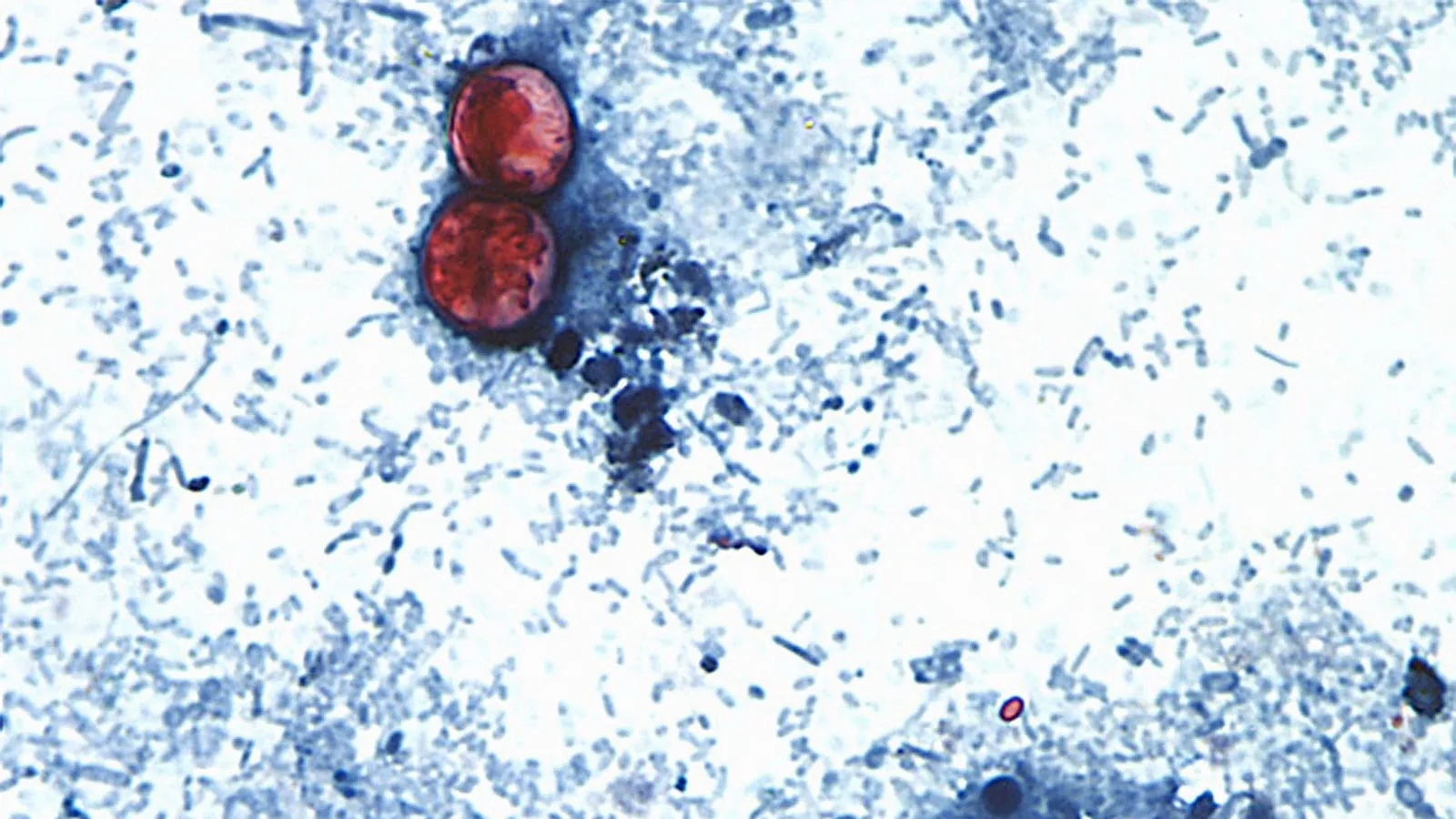
The U.S. Cyclospora outbreak linked to Taylor Farms iceberg lettuce has now spread to 20 states, with over 11,458 confirmed cases — far surpassing any prior year on record. Michigan, the hardest-hit state, is reporting signs of slowing, but federal surveillance gaps and CDC budget cuts are complicating the national response. Officials say all recalled lettuce is off shelves, but the investigation continues.
The U.S. is in the grip of its worst-ever Cyclospora outbreak, with over 11,458 cases now confirmed across 20 states — up from roughly 10,900 just last week. The outbreak has been traced to iceberg lettuce grown at a Taylor Farms facility in central Mexico, which initiated a voluntary recall on July 17. FDA and CDC officials say all recalled lettuce is off the market, but inspections at the farm are ongoing in cooperation with Mexican authorities.
Michigan bore the brunt of the outbreak, reporting 12,485 cases and two deaths, though state health officials say the worst appears to be over. Michigan's chief medical executive credited early, aggressive public health action — including rapid case interviews and early warnings to healthcare providers — with preventing thousands of additional infections. Still, testing backlogs and reporting delays mean many recently counted cases actually reflect illnesses from earlier in the summer.
A broader concern looms: the Trump administration's cuts to the CDC's FoodNet surveillance program removed Cyclospora from its core tracking list last year, hampering the national response. Experts warn that without robust federal infrastructure, future outbreaks of this scale will be even harder to detect and contain.
By the Numbers:
Why it matters: This outbreak has shattered historical records and exposed critical vulnerabilities in the U.S. foodborne illness surveillance system. The dismantling of Cyclospora tracking within FoodNet — right before the largest outbreak in U.S. history — raises urgent questions about the real-world consequences of public health budget cuts.