Loading Curie Briefs...
Getting the latest healthcare news for you
Getting the latest healthcare news for you

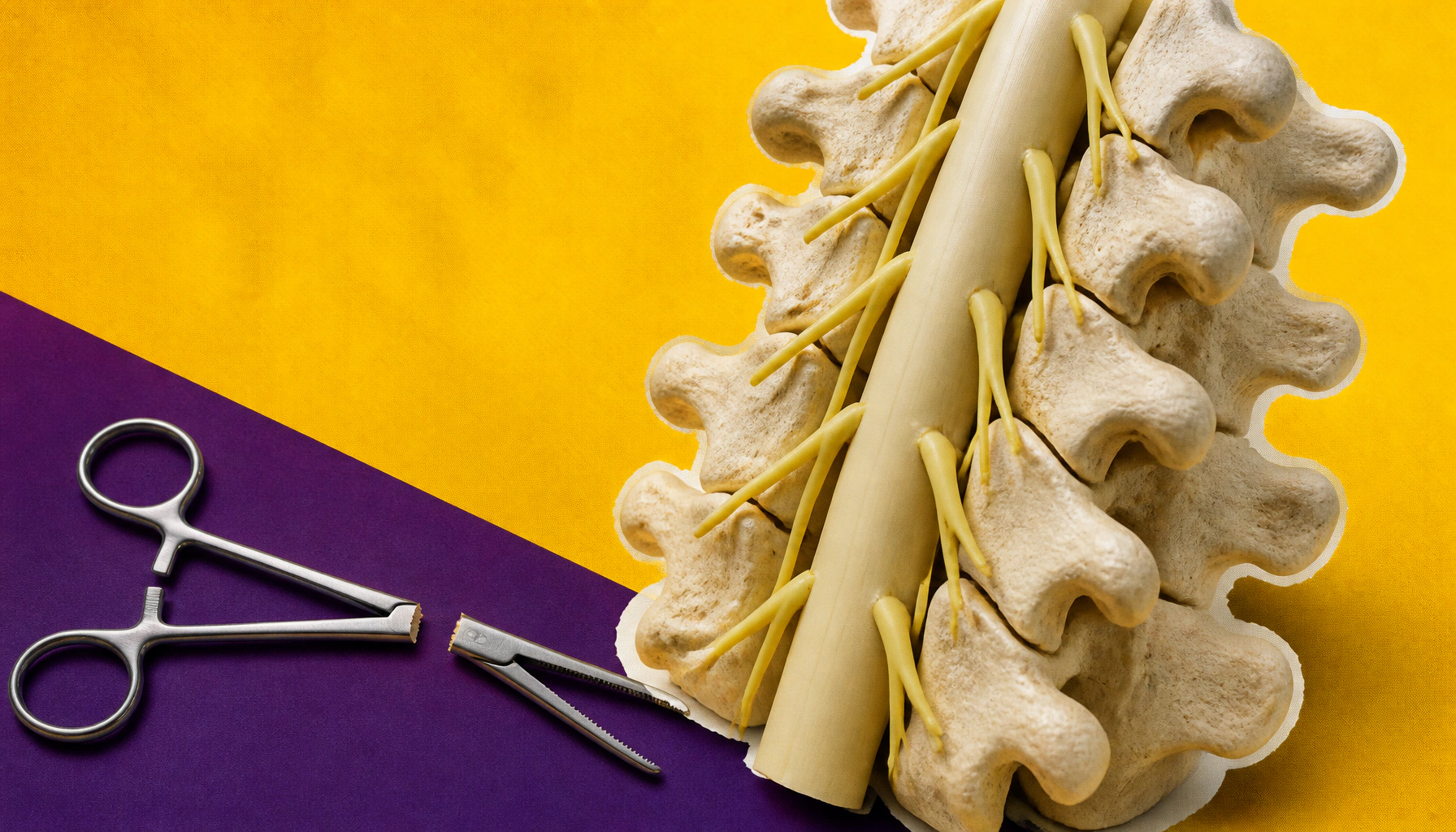
Researchers at Mount Sinai have found a protein called AHR that acts like a brake, preventing injured neurons from regrowing. When AHR was blocked in mice with nerve or spinal cord injuries, damaged fibers regenerated and movement and sensation improved. The discovery could pave the way for new treatments targeting nerve and spinal cord injuries in humans.
Researchers at the Icahn School of Medicine at Mount Sinai have identified a molecular "brake" that limits the nervous system's ability to repair itself after injury. Published in Nature, the study found that a protein called the aryl hydrocarbon receptor (AHR) shifts injured neurons toward stress management rather than rebuilding — essentially prioritizing survival over repair. When AHR was blocked or removed in mice with peripheral nerve damage or spinal cord injuries, damaged axons regrew and animals showed meaningful recovery of movement and sensation.
The mechanism comes down to a biological tradeoff. After injury, active AHR supports proteostasis — a quality-control system that helps neurons survive cellular stress — but this comes at the cost of producing the new proteins needed to rebuild axons. Suppressing AHR flips the switch, activating growth pathways (including one involving HIF-1α) that favor regeneration over survival.
Key Takeaways
Why it matters: Spinal cord and peripheral nerve injuries can cause permanent disability, and treatment options remain limited. Identifying AHR as a druggable target opens a new avenue for therapies that could one day help patients recover lost function.