Loading Curie Briefs...
Getting the latest healthcare news for you
Getting the latest healthcare news for you

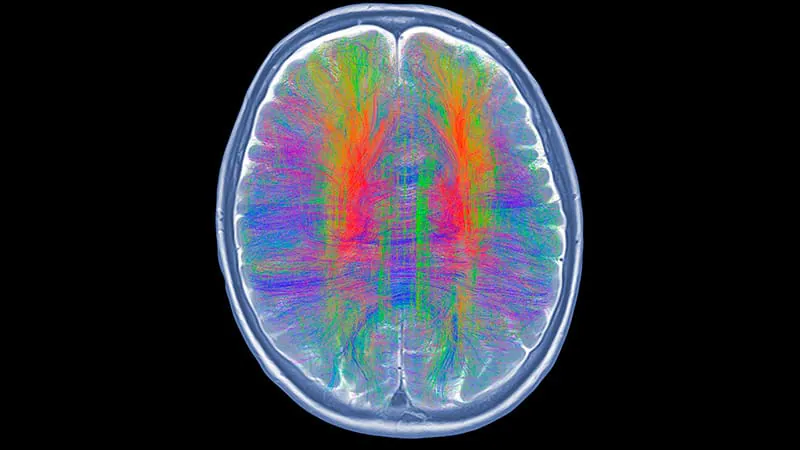
Diabetes isn't just hard on the heart — it's tough on the brain too. A new study found that older adults with type 2 diabetes (T2D) experience faster thinning in seven key brain regions over roughly three years, independent of Alzheimer's pathology. Higher HbA1c levels were tied to even faster thinning, and the brain changes accounted for about 13% of the accelerated decline in processing speed seen in diabetic individuals.
Diabetes isn't just hard on the heart — it's tough on the brain too. A new longitudinal study published in Brain found that older adults with type 2 diabetes (T2D) experience significantly faster cortical thinning in seven brain regions — including the superior frontal, superior parietal, and precuneus areas — compared to those without diabetes. Crucially, these effects held up even after accounting for Alzheimer's disease pathology, cerebrovascular burden, and socioeconomic factors.
The study followed 1,298 cognitively unimpaired adults (mean age 65, ~23% with T2D) from the Health and Aging Brain Study-Health Disparities cohort over nearly three years, using MRI scans to track changes across 34 brain regions. Higher baseline HbA1c was independently linked to faster thinning in most of those regions — suggesting that poorer blood sugar control compounds the neurological toll.
Key Takeaways:
Why it matters: These findings highlight a distinct, diabetes-driven pathway of brain aging that goes beyond Alzheimer's or vascular disease — pointing to specific brain regions as potential neuroimaging targets for early intervention in T2D patients.