Loading Curie Briefs...
Getting the latest healthcare news for you
Getting the latest healthcare news for you


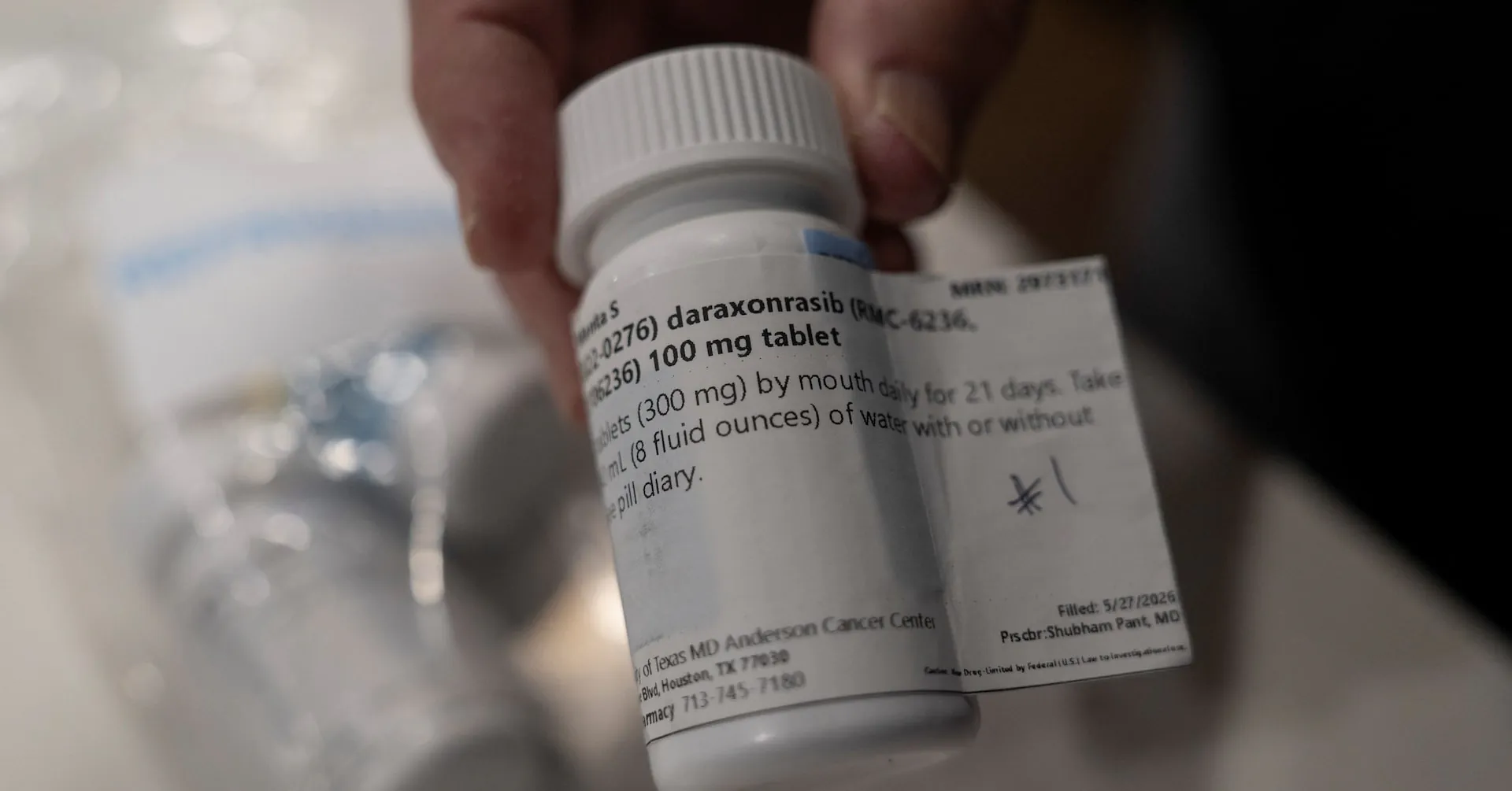
A landmark moment for one of cancer's deadliest diseases: the FDA has approved daraxonrasib (Rasonque), the first RAS-targeted therapy for metastatic pancreatic cancer. In the phase 3 RASolute 302 trial, the once-daily oral pill nearly doubled median overall survival to 13.2 months versus 6.7 months with standard chemotherapy — a result oncologists are calling "unprecedented" and a "grand slam."
The FDA has approved daraxonrasib (Rasonque, Revolution Medicines) for adults with metastatic pancreatic ductal adenocarcinoma (PDAC) who have received at least one prior systemic therapy or are not candidates for multiagent chemotherapy — making it the first RAS-targeted therapy ever approved for this disease. The once-daily oral pill works by binding to cyclophilin A, which then blocks the active form of RAS, the protein driving tumor growth in over 90% of pancreatic cancers. The FDA granted approval 6.5 months ahead of its user fee deadline, reflecting the urgency of the unmet need.
The approval was based on the phase 3 RASolute 302 trial of 500 patients, which showed daraxonrasib nearly doubled survival and cut the risk of death by 60% compared with standard chemotherapy. The drug also improved progression-free survival, tripled the tumor response rate, and delayed deterioration in both pain and quality of life. More than 2,000 patients had already received the drug through an expanded access program before approval.
By the Numbers:
Why it matters: Pancreatic cancer kills ~67,000 Americans annually and has long been one of the most treatment-resistant cancers. This approval marks the first time a targeted therapy has meaningfully extended survival in this setting — a breakthrough three decades in the making that experts say could redefine the standard of care.