Loading Curie Briefs...
Getting the latest healthcare news for you
Getting the latest healthcare news for you

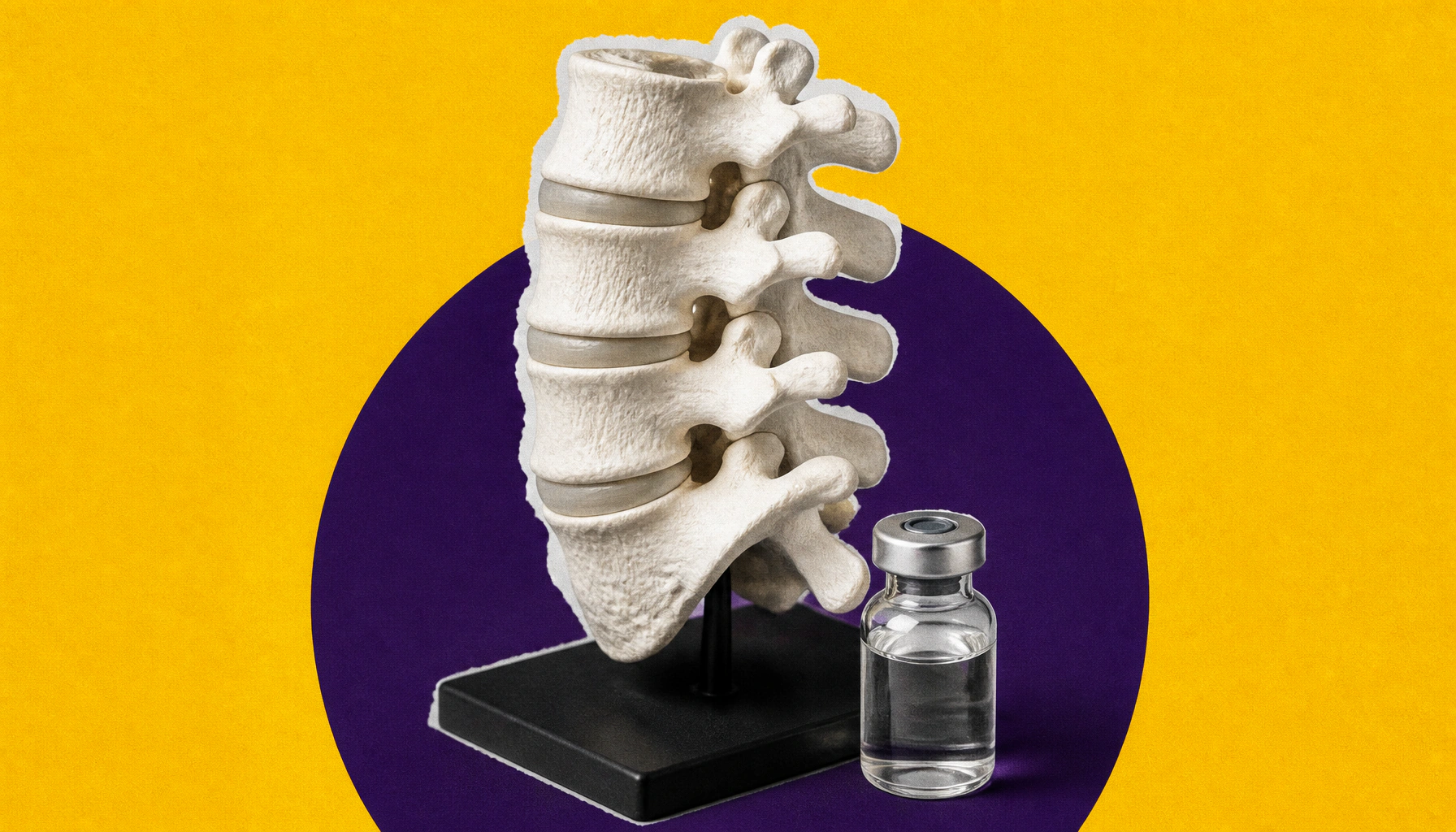
Good news for transgender teens: bone density recovers after hormone therapy. A new meta-analysis in JAMA Pediatrics found that while pubertal suppression lowers bone mineral density (BMD), starting gender-affirming hormone therapy triggers a meaningful rebound. The catch? Lumbar spine scores still lag behind baseline, leaving long-term fracture risk an open question.
A systematic review and meta-analysis published in JAMA Pediatrics offers reassuring — but not fully conclusive — news about bone health in transgender adolescents. Analyzing 10 longitudinal studies involving 751 teens, researchers found that bone mineral density (BMD) z-scores consistently declined during pubertal suppression, then rebounded once gender-affirming hormone therapy (HT) was introduced.
The recovery was seen across all measured sites — lumbar spine, total hip, and femoral neck — though lumbar spine z-scores remained below pre-treatment baseline even after HT. Researchers also noted that longer pubertal suppression was linked to lower final BMD scores, while longer HT duration was associated with higher lumbar spine BMD in adolescents assigned male at birth.
Key Takeaways:
Why it matters: Bone health is a key clinical concern in transgender adolescent care. These findings reinforce the importance of monitoring BMD throughout treatment and highlight the need for long-term studies to determine whether peak bone mass is ultimately achieved — and whether these changes carry any meaningful fracture risk into adulthood.