Loading Curie Briefs...
Getting the latest healthcare news for you
Getting the latest healthcare news for you

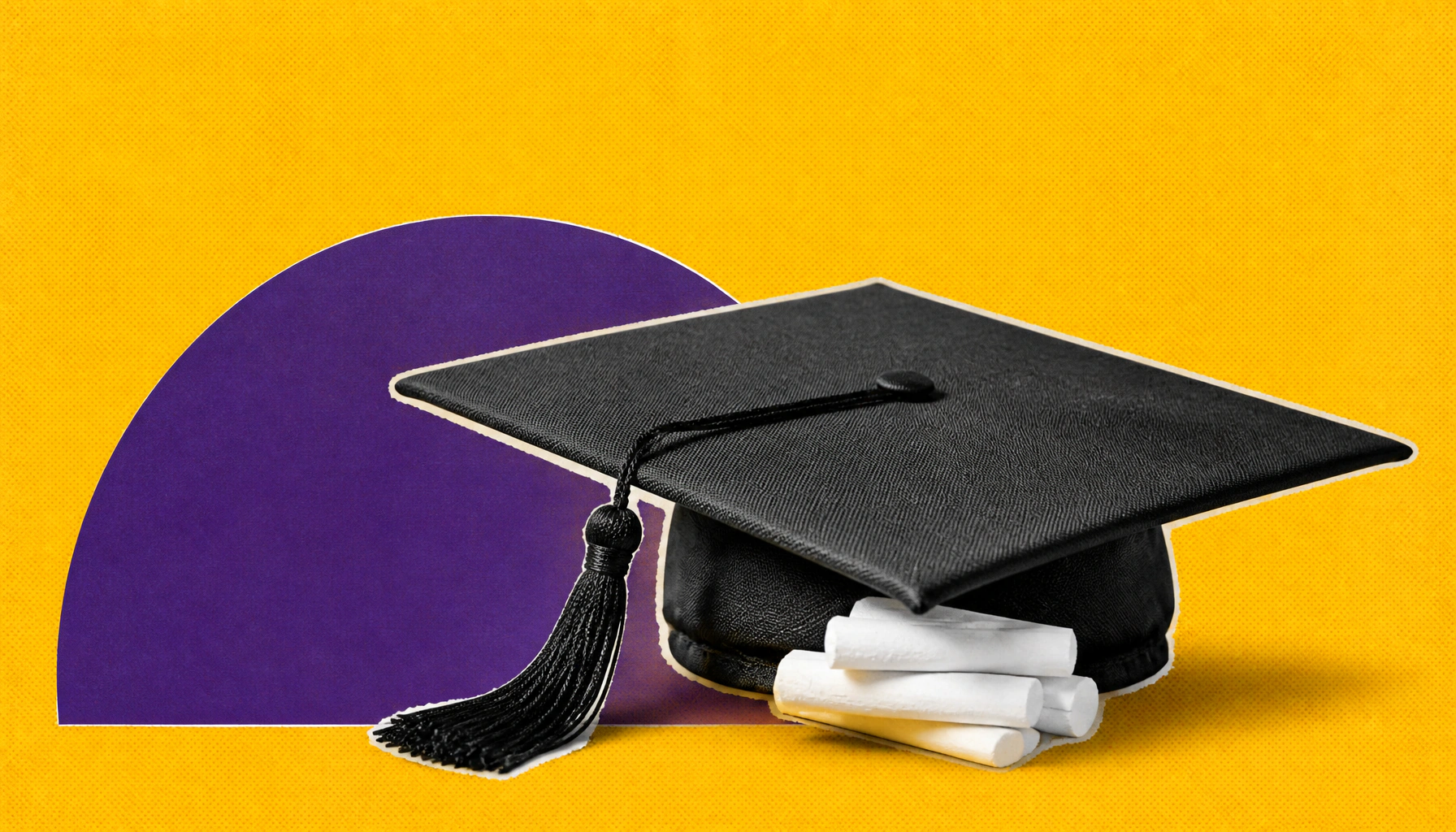
A massive 20-year study tracking 400,000 students found that kids who attended public school pre-K outperformed peers from other childcare settings all the way through high school. Researchers credit better-trained teachers and earlier exposure to structured classroom environments. The findings make a strong case that early childhood education quality has lasting academic consequences.
One of the largest long-term studies of early childhood education has a clear message: where kids go before kindergarten matters — a lot. Researchers from George Mason University and Florida International University tracked 400,000 Miami-Dade County students over 20 years and found that those who attended public school pre-K consistently earned higher grades and better standardized test scores than peers who were in center-based daycare or home-based childcare programs.
So what made the difference? The standout factor was teacher qualifications. Public school pre-K was the only setting that required teachers to hold a college degree. Researchers say better-trained educators — versed in developmental psychology and classroom management — are more equipped to handle behavioral challenges and create richer learning environments. Early familiarity with classroom routines also appeared to ease children's transition into elementary school.
Key Takeaways
Why it matters: These results push back against the idea that early childhood education is just "babysitting." For policymakers and parents alike, the data make a compelling case that investing in qualified early educators pays dividends well into adolescence.