Loading Curie Briefs...
Getting the latest healthcare news for you
Getting the latest healthcare news for you

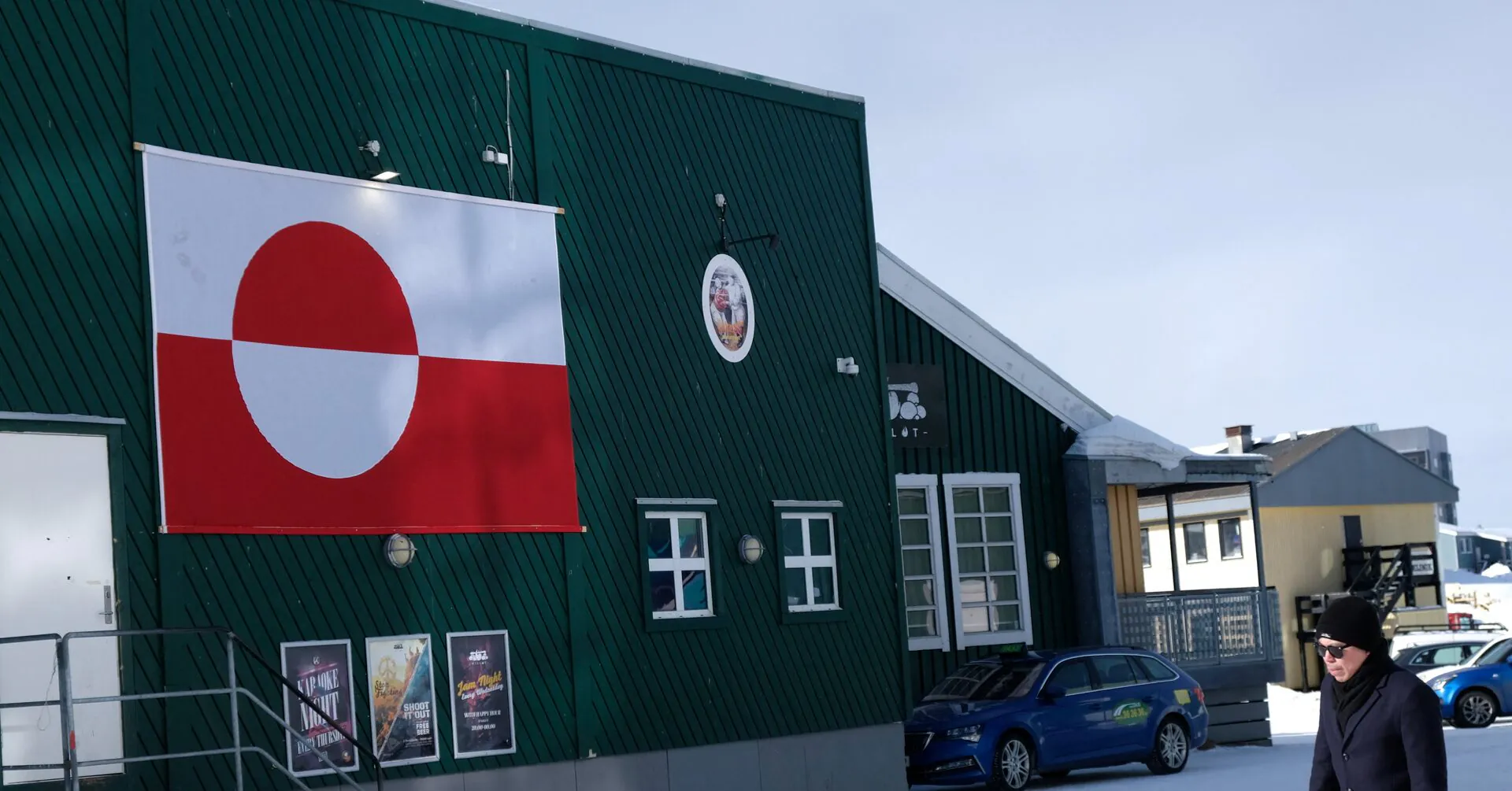
Two expert reports have concluded that Denmark's forced contraception program in Greenland — which affected over 4,000 women and girls from the 1960s through the 1990s — violated fundamental human rights but did not legally constitute genocide. The reports found clear breaches of women's rights to bodily autonomy and dignity, though establishing genocidal intent proved elusive. Denmark has since passed a compensation law for affected women.
Two independent expert reports released Friday determined that Denmark's decades-long forced contraception campaign in Greenland violated women's human rights but stopped short of meeting the legal definition of genocide. The program, which ran primarily in the 1960s and 1970s, saw thousands of Greenlandic women and girls fitted with IUDs or given contraceptive injections — often without their knowledge or consent — as Danish authorities sought to reduce birth rates and improve living standards in the Arctic territory.
Both reports agreed that the practices breached women's rights to bodily autonomy, privacy, non-discrimination, and freedom from degrading treatment. However, establishing the specific intent to destroy the Greenlandic population — a key legal requirement under the UN Genocide Convention — proved difficult. One report did find reasonable grounds to believe Denmark violated the Convention by failing to act after learning as early as 1969 that the program risked constituting a prevention of births within an ethnic group.
By the Numbers:
Why it matters: This ruling has profound implications for indigenous reproductive rights and colonial accountability. Greenland's government is now moving to establish a reconciliation commission, and the findings carry geopolitical weight amid ongoing U.S. interest in acquiring Greenland.