Loading Curie Briefs...
Getting the latest healthcare news for you
Getting the latest healthcare news for you


A new qualitative study finds that Black Canadians face deep-rooted barriers to blood donation, from racist eligibility policies to systemic discrimination in healthcare. Researchers interviewed 42 Black adults and identified 14 themes across five barrier clusters. A new malaria nucleic acid test, pending Health Canada approval, could open the door for hundreds of thousands of previously ineligible donors.
A new qualitative study published in CMAJ reveals that Black Canadians who want to donate blood face a web of barriers — many rooted in racism. Researchers at the University of Ottawa interviewed 42 Black adults and identified 14 themes grouped into five barrier clusters: systemic and policy barriers, knowledge and awareness gaps, accessibility and practical challenges, social and cultural hurdles, and psychological obstacles. The most frequently cited issues were restrictive donation policies, institutional racism, historical anti-Black discrimination, and deep mistrust of the healthcare system.
One major policy barrier: a prior malaria infection has historically disqualified donors, disproportionately affecting people from malaria-endemic regions. A new nucleic acid test (NAT) approved by Health Canada in 2025 can now detect active malaria parasites rather than blanket-deferring anyone with past exposure — and Canadian Blood Services (CBS) is seeking approval to implement it, potentially by late 2026 or early 2027.
Key Takeaways:
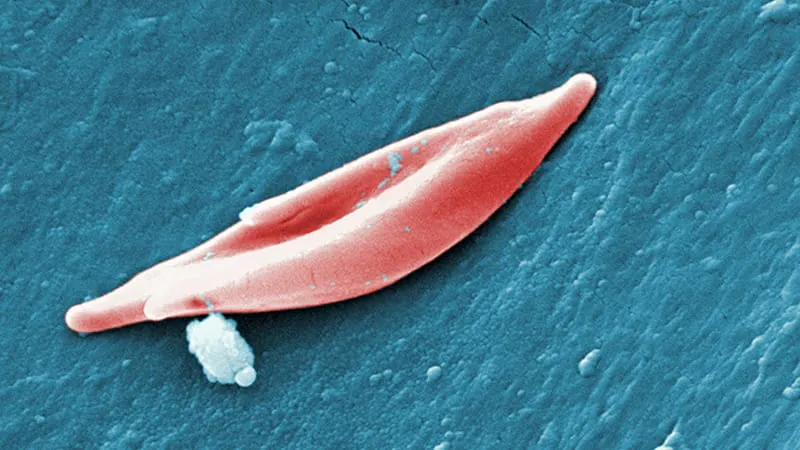
Why it matters: Blood from Black donors is critically needed — particularly for patients with sickle cell disease who require closely matched transfusions. Removing systemic barriers could meaningfully expand Canada's blood supply while addressing long-standing racial inequities in healthcare.