Loading Curie Briefs...
Getting the latest healthcare news for you
Getting the latest healthcare news for you

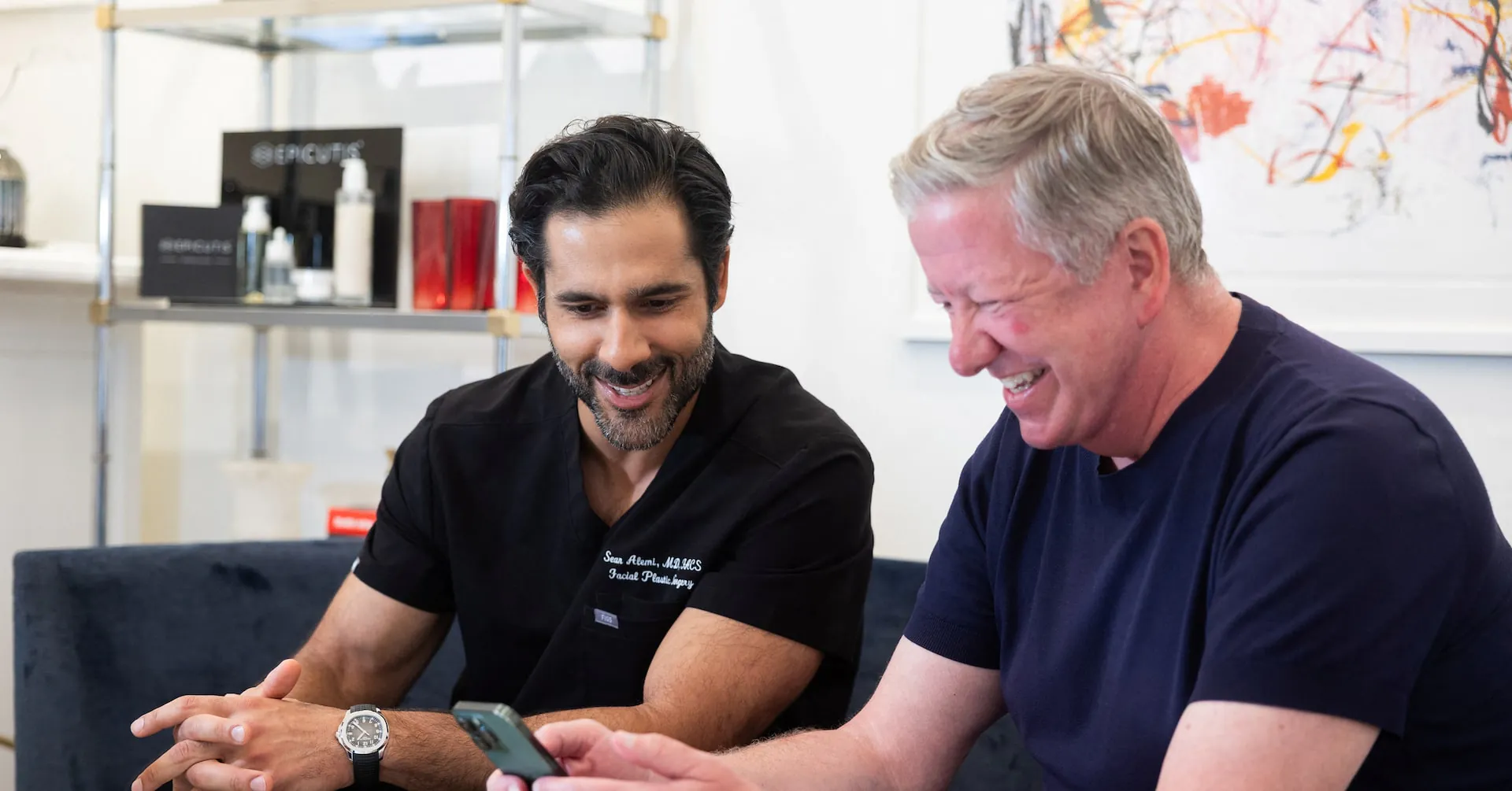
As GLP-1 weight-loss drugs help more men shed pounds, a growing number are turning to cosmetic procedures to address sagging skin, facial volume loss, and hair thinning. Plastic surgeons report a near-doubling of male patients, with nearly 70% of men undergoing surgery in early 2026 having a history of GLP-1 use. The trend is reshaping the aesthetics industry and spurring new investment in post-weight-loss treatments.
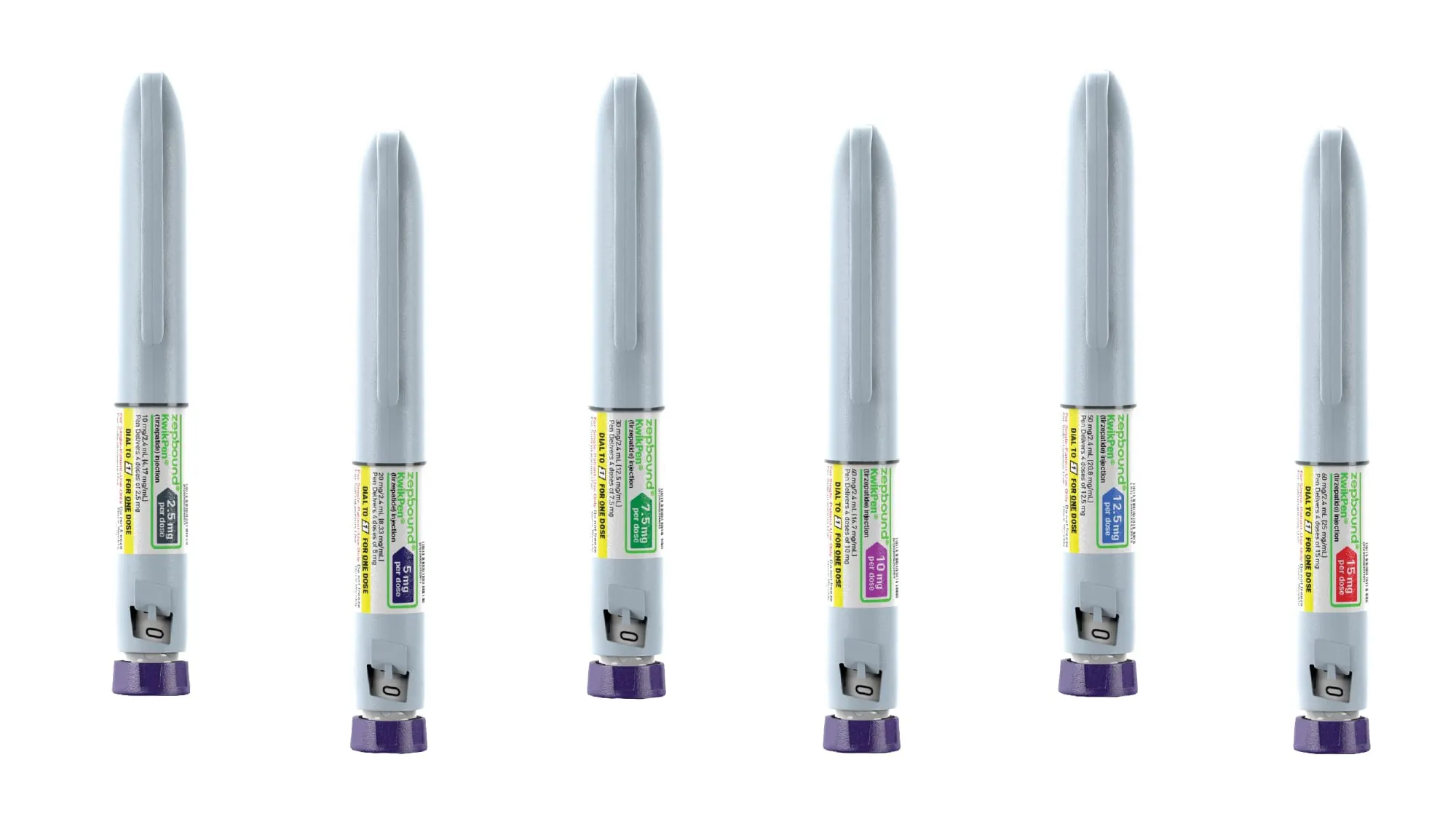
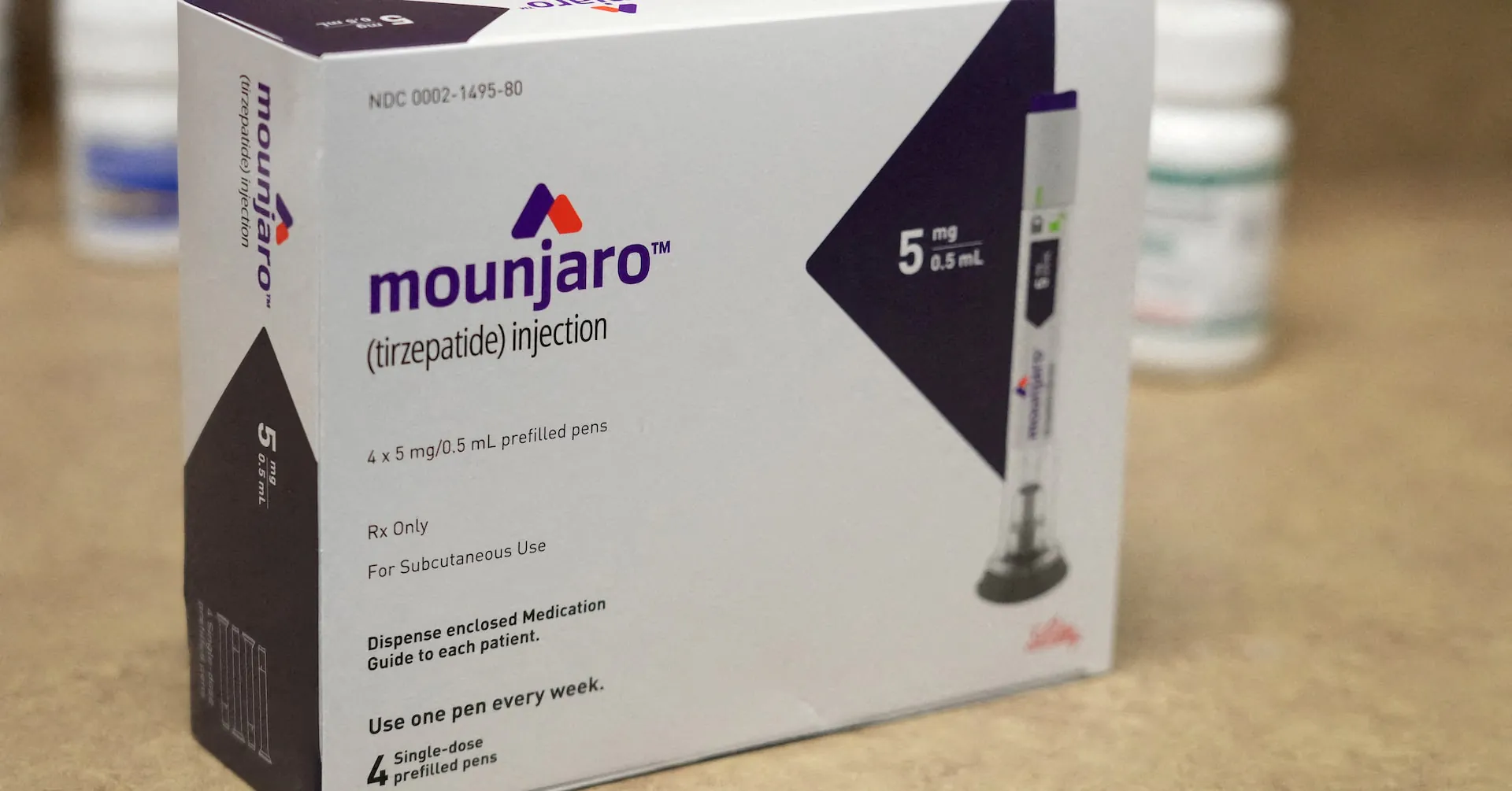
GLP-1 weight-loss drugs like Wegovy and Zepbound are doing more than shrinking waistlines — they're filling up plastic surgery waiting rooms. As more men achieve significant weight loss, many are confronting a new set of concerns: loose skin, facial volume loss, hair thinning, and dental issues. Plastic surgeons across the U.S. report a surge in male patients seeking procedures like facelifts, tummy tucks, liposuction, and injectables to match their new physiques.
The shift appears structural, not a blip. Men now account for 28.3% of weight-loss drug prescriptions filled in 2026, up from 18.3% four years ago. Aesthetic firms — including Apyx Medical, InMode, Evolus, and Establishment Labs — are actively positioning to capture this growing market, forecasting strong revenue growth driven by demand for skin-tightening and facial filler treatments. A $100 million investment by an Eli Lilly-led group into hair loss biotech Absci signals that even pharma is eyeing the post-weight-loss opportunity.
By the Numbers:
Why it matters: The GLP-1 boom is creating a downstream wave of demand for cosmetic and aesthetic care — and it's drawing in a demographic that historically avoided such procedures. For clinicians, this means more patients may benefit from counseling on realistic post-weight-loss body expectations and timely referrals to dermatology, plastic surgery, or hair restoration specialists.