Loading Curie Briefs...
Getting the latest healthcare news for you
Getting the latest healthcare news for you

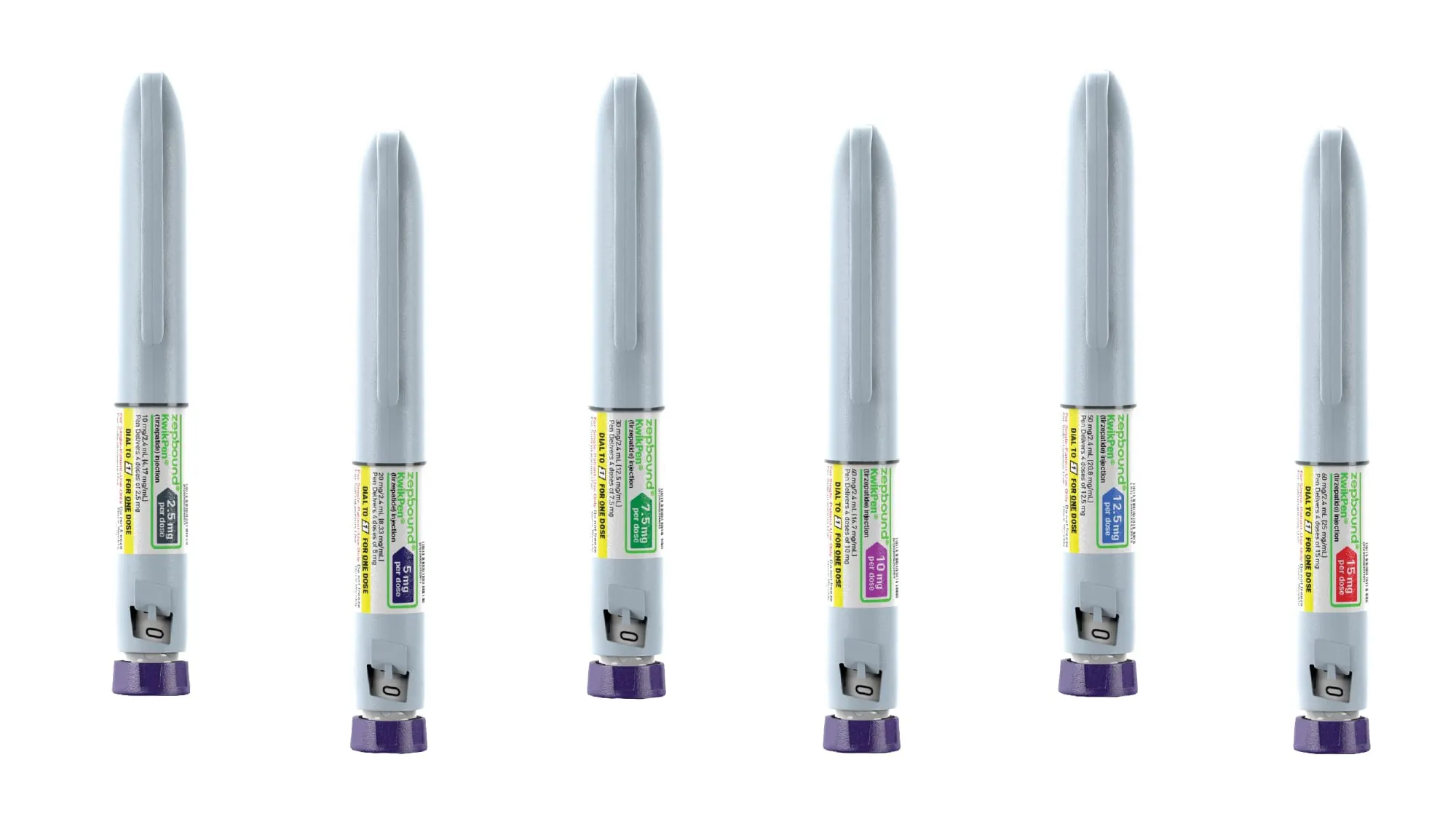
A new real-world study from Eli Lilly found that adults over 55 taking Zepbound for obesity had healthcare costs up to 15% lower than peers, with savings averaging $181/month at six months. The findings come as Medicare's GLP-1 Bridge program rolls out and employer coverage for GLP-1s is actually declining, raising questions about long-term access and affordability.
Eli Lilly is making a data-driven push to expand long-term GLP-1 coverage, releasing a first-of-its-kind real-world study showing that adults over 55 on Zepbound (tirzepatide) for obesity management had meaningfully lower healthcare costs compared to similar patients not on the drug. Published in Diabetes, Obesity and Metabolism, the study found cost savings kicked in as early as six months into treatment — enough to offset Medicare's Bridge program cost of $195/month — and exceeded Zepbound's full cost after a year of use.
The timing is strategic. Medicare's GLP-1 Bridge program launched July 1 and runs through end of 2027, but a broader permanent coverage model remains indefinitely delayed. Meanwhile, a separate employer survey found GLP-1 coverage for weight loss actually dropped among employers — from 72% in 2025 to 60% in 2026 — as companies wrestle with upfront costs and uncertain long-term ROI.
By the Numbers:
Why it matters: As payers and policymakers debate the long-term value of GLP-1s, this data gives Lilly — and Medicare advocates — a concrete economic argument for sustained coverage, particularly for older adults who tend to have higher baseline healthcare utilization.