Loading Curie Briefs...
Getting the latest healthcare news for you
Getting the latest healthcare news for you

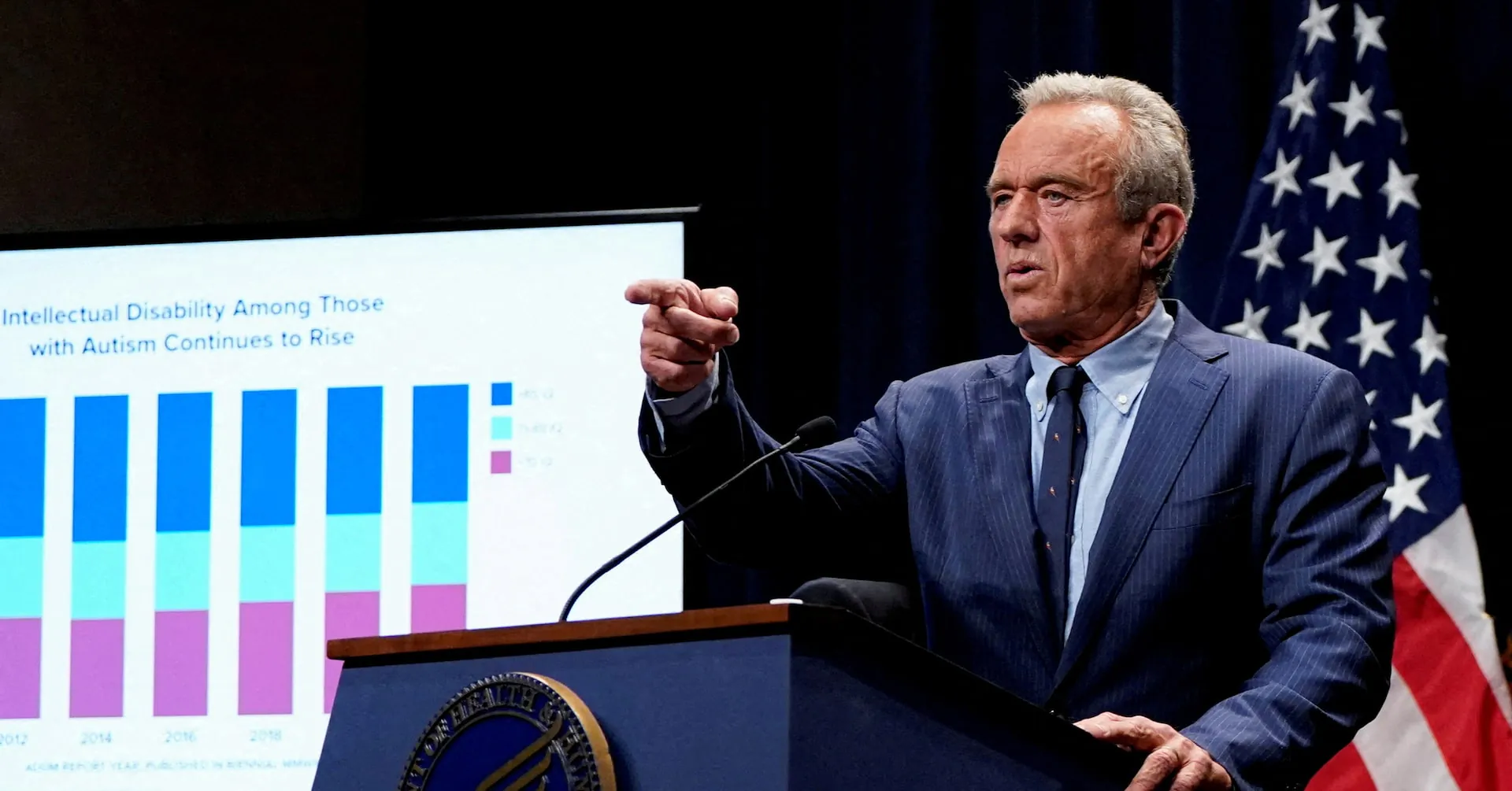
A federal autism advisory committee is pushing to nearly double annual US investment in autism from $390M to $747M. The proposed plan prioritizes medical care, housing, and support for those with the highest needs — especially profoundly autistic individuals who've been historically underrepresented in research. The committee met Thursday to discuss the sweeping new strategic plan.
The Interagency Autism Coordinating Committee (IACC), a federal advisory panel appointed by HHS Secretary Robert F. Kennedy Jr., is set to discuss a bold new strategic plan that would nearly double annual federal autism spending — from $390.4 million to $747.4 million. The plan targets NIH, CDC, and other agencies, directing funds toward medical care, housing, aging support, and research into conditions like GI disorders, sleep disruption, seizures, and mental health challenges common in autistic individuals.
A key focus of the plan is profoundly autistic individuals — those with the highest support needs — who have historically been underrepresented in both research and policy. The plan also calls for the first-ever federal estimate of autism prevalence among adults and new funding to study neurodevelopmental regression, which affects an estimated 30% of autistic children.
By the Numbers:
Why it matters: The plan signals a significant federal shift toward addressing the full lifespan needs of autistic individuals, particularly those most dependent on care — a population the plan describes as the "hidden infrastructure" of an underfunded system.