Loading Curie Briefs...
Getting the latest healthcare news for you
Getting the latest healthcare news for you

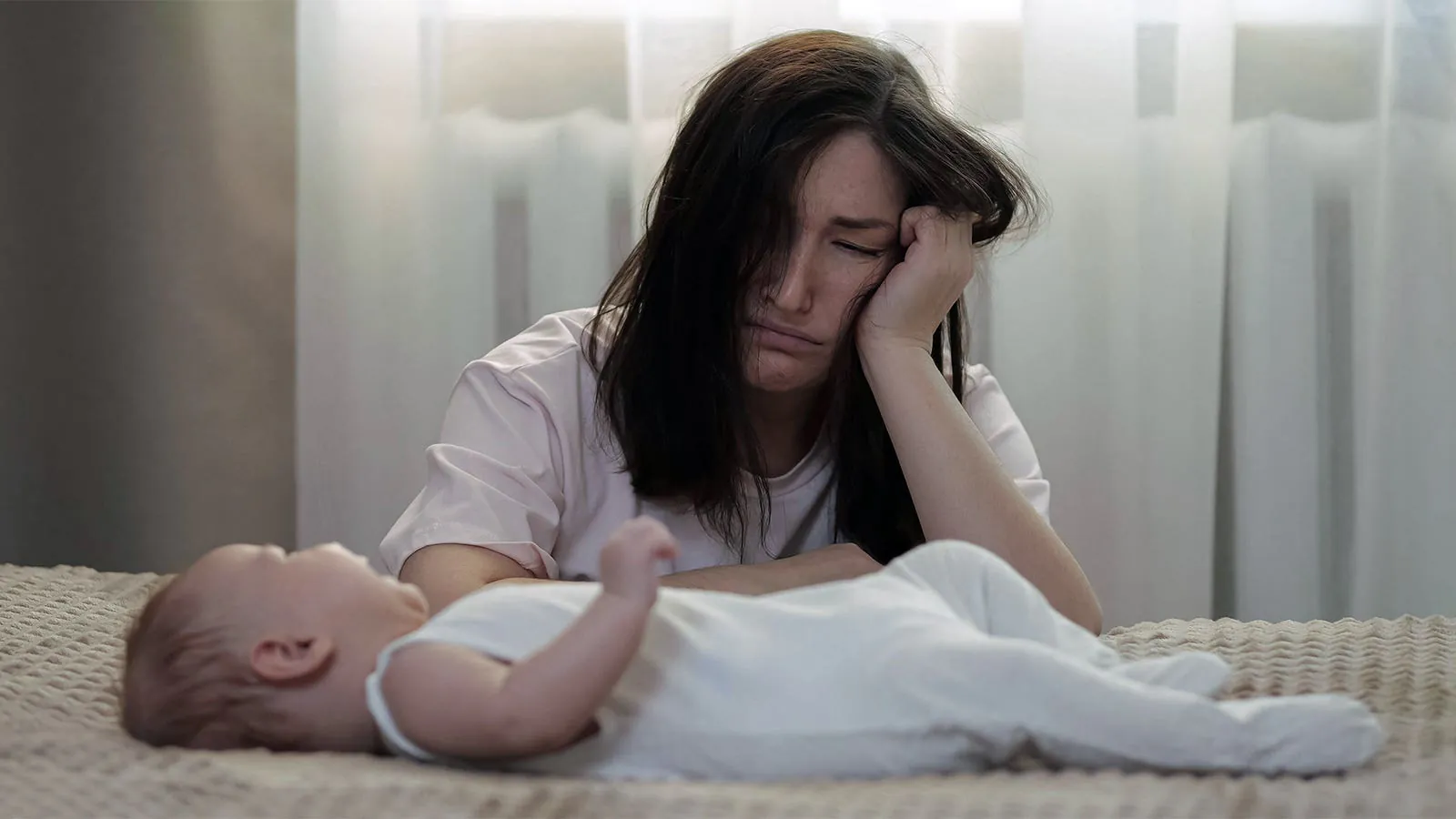
Postpartum psychosis is rare but serious — and one group faces the highest risk. A perinatal psychiatrist breaks down who's most vulnerable, how the condition can escalate quickly, and why early recognition is critical. People with bipolar disorder face a particularly elevated risk, and misdiagnosis can make things dangerously worse.
Postpartum psychosis affects 1 to 2 in every 1,000 births, but its severity exists on a wide spectrum — from subtle mood shifts to full psychiatric emergencies involving hallucinations and delusions. Perinatal psychiatrist Nancy Byatt, DO, of UMass Chan Medical School, says the condition is closely tied to the intense hormonal and physiological changes of the perinatal period, and can occur even in people with no prior psychiatric history.
That said, bipolar disorder is a major red flag. People with a personal or family history of bipolar disorder face a significantly elevated risk, and clinicians are urged to monitor them more closely throughout pregnancy and postpartum. Byatt also cautions that intrusive thoughts about harming a baby — while alarming — are actually common and very different from the delusional thinking seen in severe postpartum psychosis.
Key Takeaways:
Why it matters: Delayed recognition and misdiagnosis can turn a manageable condition into a life-threatening emergency. Clinicians who know the warning signs — and ask the right questions early — can intervene before outcomes become tragic.